As an Amazon Associate, we earn from qualifying purchases. Some links on this site are affiliate links at no extra cost to you. Our recommendations are based on thorough research and editorial judgment.


How to Use Sphagnum Moss in Bonsai Repotting and Recovery

To use sphagnum moss in bonsai repotting, first collect it sustainably and clean it from debris. Soak dried moss in water to hydrate it. Create a mixture by combining it with substrates like akadama, ideally using a ratio of about 5%. Apply a thin layer (1-2 cm) of the moss beneath the bonsai soil to retain moisture and promote healthy roots. Monitoring moisture levels is crucial for tree health and growth. More tips follow to enhance your approach.
Key Takeaways
- Soak dried sphagnum moss in water to rehydrate it before application for easier distribution during repotting.
- Mix sphagnum moss with traditional bonsai soil to enhance drainage, aeration, and moisture retention while reducing root rot risk.
- Apply a thin layer (1-2 cm) of sphagnum moss beneath bonsai soil to maintain moisture levels during the recovery process.
- Harvest moss sustainably to support ecological balance and prevent resource depletion while ensuring healthy moss populations.
- Utilize sphagnum moss for its antiseptic properties to protect against decay-causing bacteria, promoting root health during recovery.
Understanding the Benefits of Sphagnum Moss
While many bonsai enthusiasts seek effective methods for repotting, understanding the benefits of sphagnum moss is essential for ensuring a successful process. Sphagnum moss excels at holding over eight times its weight in water, which aids moisture retention during vital recovery phases. Its antiseptic properties and high zinc content combat decay-causing bacteria, promoting healthier root growth in stressed trees. The slightly acidic nature typically benefits certain species, creating an optimum environment for development. Additionally, mixing small amounts of sphagnum moss with traditional soil enhances drainage and aeration, reducing the risk of root rot. Its lightweight characteristics make it easy to handle, which is an added advantage for bonsai enthusiasts aiming to enhance their soil mixes effectively. Additionally, choosing sustainably sourced and chemical-free sphagnum moss varieties ensures minimal ecological impact and promotes a healthier growing environment.
Preparing Sphagnum Moss for Repotting

To guarantee successful repotting, it is essential to prepare the sphagnum moss properly before application. First, collect the moss sustainably, choosing locations that prevent ecological damage. Ideal collection occurs after rainfall, making sure the moss retains moisture, which enhances its effectiveness. Before using, remove any twigs, branches, or debris within the moss to achieve cleaner, more effective application. For improved moisture retention and drainage, consider mixing the prepared moss with substrates like akadama or seramis. Additionally, soaking dried sphagnum moss in water helps rehydrate it, allowing it to expand. This step guarantees the prepared moss distributes more easily in your bonsai pot during repotting, promoting healthier growth for your plants. Premium bonsai soils ensure excellent drainage and moisture retention, which are crucial for the optimal health of miniature trees.
Recommended Products

Preserved Sphagnum Moss: Ideal for orchids and succulents, this long fiber moss absorbs up to 18 times its weight in water, making it ideal for lining hanging baskets and as soil cover for potted plants

🌺 Ideal Orchid Potting Medium – High-quality sphagnum moss for orchids, including Phalaenopsis, Cattleya, and Dendrobium. Provides essential moisture retention and breathability to support healthy orchid roots.

Besgrow Spagmoss is a natural, renewable product harvested sustainably from wetlands on the pristine West Coast of New Zealand’s South Island. Spagmoss is used extensively to grow orchids and other moisture loving plants and to sustain growing environments for plants and reptiles
Layering Techniques for Enhanced Growth

Layering sphagnum moss beneath bonsai soil serves as an effective technique for enhancing plant growth. This method improves moisture retention, offering a constant water supply to the roots, especially for weakened trees in recovery. It is advisable to apply a thin layer of sphagnum moss, about 1-2 cm, to prevent excess moisture that can lead to root rot. Regularly monitoring the moisture levels is essential, given that sphagnum moss can hold more than eight times its weight in water. For best results, using fresh moss is recommended due to its beneficial properties. Sustainable sourcing of peat moss supports environmentally friendly gardening, ensuring that your bonsai practices do not contribute to habitat degradation. This simple layering technique can greatly contribute to healthier root development and overall plant vigor, making it a valuable practice for bonsai enthusiasts.
Recommended Products

Natural Soil Topper and Conditioner - Mountain Moss is a lush green sphagnum moss that helps soil retain moisture while supporting proper drainage. Ideal for plant soil, garden soil, and potted plants needing a natural, finished look.
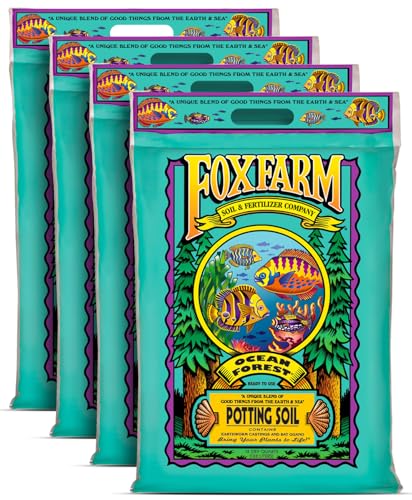
THE SECRET TO VIBRANT GARDENS: Fox Farm Ocean Forest Soil is the ideal growing medium for plants. Whether you’re growing houseplants or container gardens, it provides the perfect environment for your plants to thrive

💚 Bring New Life To Your Home Decor: Harvested from tall trees in Central California, our live Spanish moss is more vibrant than fake moss, and makes the ideal plant pot filler for your living room, kitchen, or nursery.
Mixing Sphagnum With Other Mediums
Mixing sphagnum moss with other soil mediums can greatly benefit bonsai health and growth. Integrating sphagnum moss with inorganic soil mixes, like akadama and seramis, helps retain moisture and enhances soil texture. This combination is especially useful in hot, dry climates. A recommended ratio is about 5% sphagnum moss, balancing moisture retention while preventing root rot. Using sifted sphagnum moss mixed with collected moss creates a visually appealing top dressing that can support healthy root development. Additionally, its lightweight nature allows easy incorporation with heavier substrates, which is ideal for larger bonsai specimens. However, it’s essential to avoid excessive amounts to maintain proper drainage, ensuring best health for your bonsai tree. Akadama soils typically have a slightly acidic pH range of 5.5 to 6.5, which aligns well with the needs of many bonsai species.
Recommended Products

Handcrafted with real glass and metal base with powdercoated finish - Glass house is one piece and sits atop a gray powder-coated metal tray which rests on elegant ball feet for luxurious appeal. To water or prune use hinged roof panel and prop open with prop rod. The clear, textured glass accent framing the roof of this planter box gives a modern with a timeless feel. Complete with custom, functional plastic liner and professionally printed planting brochure.
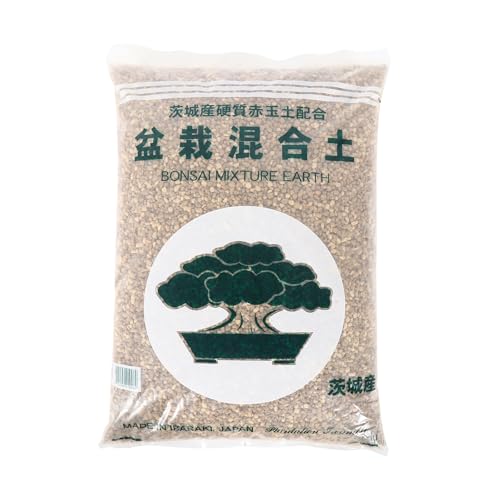
Traditional Japanese potting materials trusted by bonsai masters and plant enthusiasts worldwide. Mimics natural growing conditions, supporting healthy root development for bonsai, succulents, and more

Sphagnum moss is Ideal for orchid potting mix/orchid soil. Using sphagnum moss for plants will promote healthy growth and vibrant blooms. Orchid moss is sold in 150 Grams, 500 Grams, and 1 Kilo sizes
Application of Sphagnum Moss in Recovery
Recovering bonsai trees can be challenging, but incorporating sphagnum moss into the process offers valuable benefits. When bonsai trees suffer from root rot, using sphagnum moss can provide essential moisture and aeration. It holds over eight times its weight in water, ensuring consistent hydration to stressed trees. Additionally, the high zinc content in sphagnum moss gives it antiseptic properties, which protect weakened trees from harmful bacteria during recovery. Quality moss can absorb and retain significant moisture, supporting humidity beneficial for moisture-loving plants like bonsai. For best results, aspiring bonsai caretakers should use sphagnum moss in small amounts within organic soil mixtures. This not only enhances nutrient retention but also fosters healthier root systems. Remember to source sphagnum moss responsibly, supporting sustainable practices while ensuring proper recovery conditions for your bonsai.
Recommended Products

PLANT NOURISHMENT: Help your plant thrive not just survive! This peat moss is the major element in almost every potting soil.. Plants in containers or small gardens are often water-logged which peat moss helps in preventing.

Ideal for all orchids, Very clean, no sticks or stems or trash

Besgrow Spagmoss is a natural, renewable product harvested sustainably from wetlands on the pristine West Coast of New Zealand’s South Island. Spagmoss is used extensively to grow orchids and other moisture loving plants and to sustain growing environments for plants and reptiles
Maintaining Moisture Levels With Sphagnum
When caring for bonsai trees, maintaining proper moisture levels is vital for their health and vigor. Sphagnum moss is an excellent choice due to its ability to hold over eight times its weight in water. When used as a top dressing, sphagnum helps retain moisture at the soil surface, guaranteeing steady hydration. For delicate bonsai species, mixing sphagnum into the soil can enhance water retention. Additionally, sphagnum improves drainage and aeration, which lowers the risk of root rot. However, it’s important to regularly monitor the moisture levels of the sphagnum, as its water retention abilities can change based on environmental conditions and the amount incorporated. This vigilance guarantees that the bonsai tree receives the right moisture it needs to thrive. Incorporating organic soil mixes with high-quality materials like akadama and pumice can further enhance moisture retention and aeration, providing an ideal environment for bonsai growth.
Recommended Products


Preserved Sheet Moss: Excellent for dressing orchids and ornamentals, covering soil, or for adding natural accents to any floral arrangement, this moss comes in large flat sheets for easy application
Observing Tree Health and Growth
How can one best observe the health and growth of a bonsai tree after repotting with sphagnum moss? Start by monitoring the tree’s foliage for signs of liveliness. Lush green leaves and new growth often indicate successful adaptation to the sphagnum mixture. Additionally, inspect the moss in the bonsai pot; vibrant green moss suggests adequate moisture, while brown or wilting moss indicates dryness that could hinder recovery. Be mindful of potential overwatering and mold growth, which excessive moisture from the sphagnum can cause. Adjust your watering frequency based on the moss’s condition and the tree’s needs. Regular assessments of root health are crucial, as healthy roots promote overall tree health and facilitate effective recovery from repotting. Ensuring the use of durable plastic trays can help maintain ideal humidity levels, preventing root rot and promoting healthy growth.
Best Practices for Sustainability in Collection
Sustainable collection practices are vital for guaranteeing the long-term availability of sphagnum moss. Collectors should always take small amounts from various locations, which prevents overharvesting and promotes natural regeneration. Before gathering moss, it’s important to verify that the ecological site remains undamaged, supporting the sustainable growth of sphagnum and its surrounding environment. Harvesting moss after rainfall provides ideal moisture content, enhancing usability in bonsai applications. Additionally, it is important to remove twigs and branches from collected moss to improve its aesthetics. For better nutrient delivery and to reduce the risk of contamination, consider integrating harvested moss with other substrates. These best practices foster not only healthy bonsai trees but also ecological balance in moss populations. Brazilian Rain Trees thrive in humidity levels around 50% to 70%, which can be supported by the moisture-retaining properties of sphagnum moss.
Frequently Asked Questions
How to Use Sphagnum Moss for Bonsai?
To hit the nail on the head, incorporating sphagnum moss benefits enhances bonsai moisture retention. Mixing it with soil improves drainage and aeration, while applying it as a top dressing helps stabilize moisture during warmer months.
What Is the Rule of 3 in Bonsai?
The Rule of 3 in bonsai encourages the use of three plant varieties to maintain balance and harmony. This principle enhances bonsai care by fostering an appealing soil composition and promoting healthy growth among selected species.
Should I Put Sphagnum Moss on Top of Soil?
Applying sphagnum moss as a top dressing can enhance moisture retention in bonsai soil, particularly in warm weather. A thin layer, around 5%, is recommended to prevent root rot while maintaining aesthetic charm.
Can I Dry and Reuse Sphagnum Moss?
Yes, dried sphagnum moss can be reused. Employing proper drying techniques enhances its longevity, but it’s crucial to check for decay or contamination, and ideally mix it with fresh substrate to maintain peak health.


