As an Amazon Associate, we earn from qualifying purchases. Some links on this site are affiliate links at no extra cost to you. Our recommendations are based on thorough research and editorial judgment.

Common Repotting Mistakes That Cause Bonsai to Decline

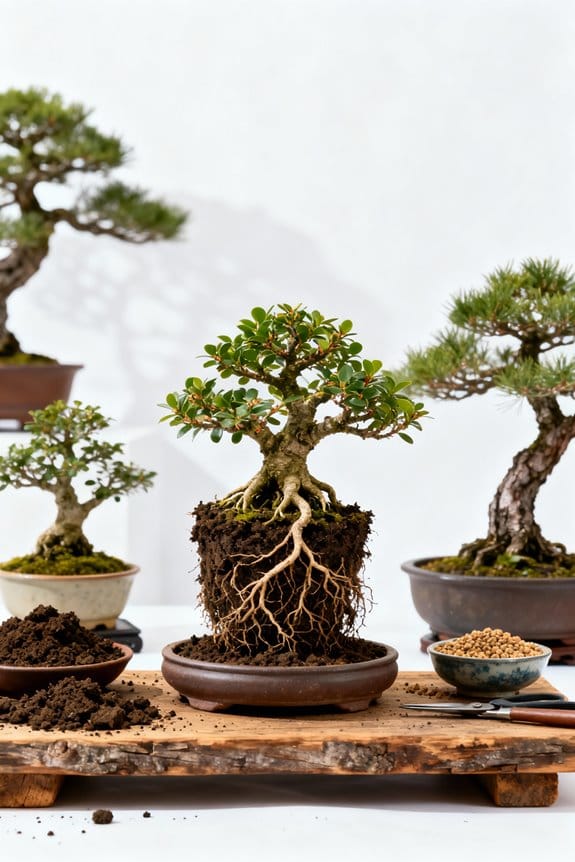
Common mistakes while repotting bonsai can lead to serious declines. Using inadequate soil mixes, like regular garden soil, limits drainage and nutrient uptake. Over-pruning roots can stress the plant, while rough handling damages fine roots, increasing transplant shock. Additionally, not inspecting roots before repotting often misses critical issues. To prevent these problems, guarantee proper soil selection, handle roots gently, and monitor for signs of stress. Understanding these steps will enhance the overall health of your bonsai.
Key Takeaways
- Using improper soil mixes can lead to poor drainage, stunted growth, and increased risk of root rot in bonsai trees.
- Over-pruning during repotting can weaken the tree, limiting its nutrient uptake and making it vulnerable to pests.
- Rough handling of delicate roots during repotting can damage fine root hairs, resulting in transplant shock and slow recovery.
- Ignoring the importance of consistent moisture can stress the plant, leading to decline post-repotting.
- Failing to monitor the bonsai’s light, temperature, and humidity levels can hinder successful acclimation and overall plant health.
Inadequate Soil Mix Selection
When caring for bonsai trees, soil selection is as essential as watering and sunlight. Inadequate soil mix selection can lead to poor nutrient absorption and stunted growth. For ideal results, a proper bonsai soil mix should include ingredients like Akadama, Pumice, and Lava Rock. These components promote good drainage and moisture retention. Using regular garden soil may result in compaction, suffocating roots and increasing the risk of root rot. It’s vital to adjust the soil mix based on the specific bonsai species for thriving growth. Additionally, remember to refresh the soil every 1-3 years during repotting. Using pruning shears for root maintenance can further enhance the bonsai’s health, ensuring a vibrant and flourishing tree over time. Akadama soil is particularly praised for its excellent drainage and aeration, supporting healthy root systems and overall bonsai growth.
Recommended Products

Brand name: Superthrive
![Organic Plant Magic - Truly Organic™ Fast-Acting Soluble Plant Food: All-Purpose Fertilizer Concentrate for All Flower Vegetable Herb Fruit Tree Shrub Container Garden & House Plants [20 lb Bucket]](https://m.media-amazon.com/images/I/41PAuP3XFuL._SL500_.jpg)
New Label - Same Amazing Product that Plants & Customers LOVE!

Real moss and ferns, harvested from forest, are preserved using non-toxic food-grade ingredients; Since they are preserved, the moss do not wilt, do not require water, nor do they put out pollen or spores; The result is an ever-green artwork -- a "plant painting" -- that looks stunning and requires no maintenance whatsoever
Insufficient Drainage Considerations

Drainage is a significant factor in bonsai care that is often overlooked. Insufficient drainage can lead to waterlogged soil, suffocating healthy roots and causing root rot within months. To avoid this issue, selecting a well-structured soil mix is essential. Components like Akadama, Pumice, and Lava rock provide moisture retention while promoting adequate drainage. Excellent drainage and aeration prevent root rot and are crucial for maintaining the health of bonsai trees. Inadequate drainage prevents the tree from absorbing nutrients and water, which can severely impact its health. During repotting, it is important to take into account proper drainage to minimize transplant shock, aiding recovery. Regularly inspecting drainage holes in the pot helps to prevent blockages that could worsen waterlogged conditions. By prioritizing these drainage factors, bonsai enthusiasts can safeguard their trees’ health and longevity.
Recommended Products

FEEDS UP TO 6 MONTHS: Miracle-Gro Potting Mix is a gardening soil for outdoor containers that feeds all types of potted plants, including flowers, vegetables, shrubs, annuals, and perennials for up to 6 months

MULTI-USE POT: Our timeless and modern plant pots are ideal for your indoor space or your outdoor deck, patio, or balcony. They effortlessly complement any design style and elevate the look of potted real or faux greenery.

NATURAL, ORGANIC INGREDIENTS: Made of 100% organic ingredients, this organic potting soil is free from synthetic fertilizers and chemicals. This planting soil gives your plants everything they need. Perfect for soil for indoor plants and outdoor potting soil.
Over-Pruning Bonsai Roots

Pruning bonsai roots correctly is essential for maintaining a healthy tree, as improper techniques can have lasting consequences. Over-pruning bonsai roots can severely weaken the tree by limiting its ability to absorb nutrients and water. This leads to stunted growth and heightens vulnerability to pests. During repotting, it’s advisable to prune only dead, damaged, or circling roots to establish a healthy root system. A general guideline suggests removing no more than one-third of the root mass to prevent transplant shock and support recovery. Regular root pruning every one to three years fosters a balanced structure, enhancing nutrient uptake. Monitoring pH levels is essential for optimal bonsai health, as it influences the efficacy of nutrient absorption and supports a thriving condition. Careful inspection and judicious cutting can encourage your bonsai’s thriving condition while avoiding irreversible damage.
Rough Handling Damage
Rough handling during the repotting of bonsai can cause significant damage to the delicate root system. Careless handling may lead to the loss of essential fine root hairs, which are critical for nutrient uptake. This can result in transplant shock, evident through wilting foliage and stunted growth. To guarantee healthy growth after repotting, it is fundamental to treat the roots gently. Use soft touches and proper tools to minimize stress on the tree. The better you manage the roots, the more likely the bonsai will thrive in its new environment. Remember, how you handle your bonsai during repotting directly affects its recovery and overall health, making careful techniques important for its long-term care. Applying organic neem oils can enhance plant health and provide protection against pests and fungal diseases during the repotting process.
Inadequate Root Inspection
Inspecting the roots of a bonsai is a crucial step during the repotting process. Inadequate root inspection can lead to serious issues, such as undetected roots to rot or circling roots. To prevent these problems, gently remove the bonsai from its pot and inspect the roots thoroughly. Look for brown or mushy roots, as these indicate rot that must be trimmed. Identifying constricted roots is also important to guarantee healthy regrowth. The overall health of any bonsai species relies on a functioning root system; poor nutrient uptake can stunt growth considerably. Regularly inspecting the roots allows for timely intervention, enhancing the bonsai’s chances for successful recovery and vibrant growth after repotting. Additionally, choosing a bonsai mortar mix with excellent drainage and aeration can support root health by preventing waterlogging and ensuring oxygen availability.
Recommended Products

Package Include: ・1 Yasugi Steel Satsuki Scissors ・1 of Concave Cutter ・1 of Knob Cutter ・1 of Jin Pliers ・1 of Bonsai Wire Cutter ・1 of Root Cutter ・1 of Bonsai Tool Roll Case - Cutters: S55C Carbon steel, Black Coated. Scissors: YCS3 Alloy Tool Steel ※YCS is a trademark of Hitachi Metals, Ltd.

JAPANESE BONSAI TOOL SET WITH BAG: Made in Japan authentic professional bonsai tool set. These tools can be used for various kinds of bonsai work such as pruning, cutting, daily trimming, wire bending and cutting, jin making, moss and soil cleaning, and repotting work. ALL items are produced and finished by a blacksmith and craftsman in Nigata Tsubame Sanjo, a city of Japanese leading cutlery town.

Upgrade Your Bonsai Skills with Professional Bonsai Tool Sets. All-Inclusive Essentials: Covers every necessary tool for bonsai pruning, shaping, wiring, and maintenance, no extra purchases needed.
Transplant Shock Prevention
Transplant shock is a common challenge for bonsai enthusiasts, especially after repotting. To minimize this stress, it is essential to repot during the ideal period of late winter to early spring. This timing helps avoid the excessive heat of summer. During repotting, creating a mound of soil beneath the roots can prevent air pockets, which can lead to moisture deprivation. Gently handling the roots is critical to protect the fine hairs that absorb nutrients and moisture. After repotting, allow the bonsai to acclimate for a few weeks without fertilizing, as too many nutrients can hinder root establishment. Consistently maintaining appropriate moisture levels is essential, helping the tree cope with transplant shock while its root system re-establishes. Selecting a well-draining soil mix with the right balance of inorganic and organic materials is also crucial to ensure optimal root health and prevent root rot.
Recommended Products

Fast draining and nurturing: Our succulent potting soil helps prevent root rot and overwatering. Bonsai Jack succulent soil mix is used to enhance bonsai and succulent plants, including Echeveria, Haworthia, Crassula, Lithops, Jade, Aloe and Crassula.

🌳 Created By Bonsai Experts: All-Purpose bonsai soil blend providing optimum growth for your bonsai trees.
🌳 Created By Bonsai Experts: All-Purpose bonsai soil blend providing optimum growth for your bonsai trees.
Recognizing Repotting Stress Signs
How can bonsai enthusiasts effectively recognize signs of repotting stress? Observing a bonsai after repotting is essential for identifying potential issues. Common indicators include wilted foliage, which often signals moisture problems or root damage. Leaf drop can expose tender shoots to pests, revealing the tree’s struggle to adapt. Additionally, discoloration of leaves—such as yellowing or browning—usually suggests nutrient deficiencies or root disturbances linked to repotting. Reduced growth in the weeks following repotting indicates that the tree is likely redirecting energy to recover from transplant shock. Monitoring these signs, including soil moisture and any signs of excess water, is vital for taking prompt corrective actions to support the tree’s recovery from repotting stress. Considering the soil composition importance can help maintain optimal water levels and nutrient availability post-repotting.
Post-Repotting Care Essentials
After repotting, attending to the bonsai’s needs is important for successful recovery. Proper post-repotting care involves regularly monitoring soil moisture. It should remain slightly moist but not waterlogged to support root recovery. Increasing humidity through misting is beneficial, as it helps reduce transpiration and enables the tree to heal. For the first few weeks, minimize direct sunlight exposure to avoid stress on the tree. Additionally, it’s necessary to delay fertilization for 2-4 weeks after repotting; this allows the bonsai time to adjust. Regularly inspecting the tree for distress signs, such as wilted leaves or discoloration, is essential. Addressing issues quickly will promote better recovery during this sensitive time. Using organic fertilizers with a balanced N-P-K ratio, such as 4-6-4, can further support the bonsai’s health once it has adjusted post-repotting.
Recommended Products
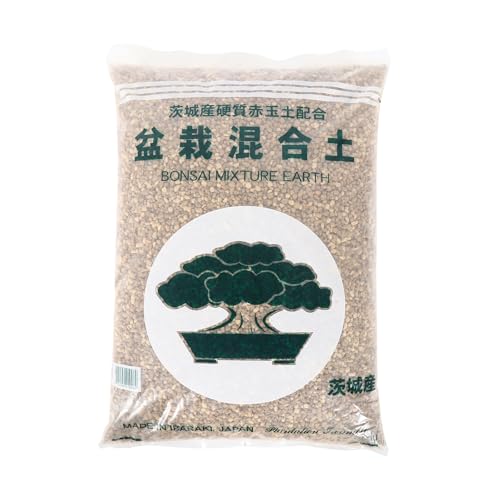
Traditional Japanese potting materials trusted by bonsai masters and plant enthusiasts worldwide. Mimics natural growing conditions, supporting healthy root development for bonsai, succulents, and more
![Gardenera Premium Bonsai Fertilizer – Slow-Release Bonsai Tree Food for Compact Growth, Dense Branching & Healthy Roots | Ideal for All Bonsai & Money Trees [10 Quarts]](https://m.media-amazon.com/images/I/41X9i2YHxvL._SL500_.jpg)
🌳 COMPACT & CONTROLLED GROWTH – Specially designed 6-6-6 formula encourages lush foliage and dense branching without overgrowth, preserving your bonsai’s miniature shape and balance.

New Japanese Biogold Original Bonsai Fertilizer
Correcting Past Repotting Errors
Correcting past repotting errors is crucial for guaranteeing the long-term health of a bonsai. First, assess any damage to the bonsai roots and acknowledge mistakes that may have been made. Next, adjust the soil to guarantee good drainage and nutrient uptake. Gently prune any damaged or circling roots to promote healthy regrowth. This step helps improve root structure and overall liveliness. Additionally, closely monitor how much you water the tree; it’s essential to avoid over- or under-watering, especially as it adjusts to its new environment. Finally, make certain that your bonsai has adequate light, temperature, and humidity to support best recovery. These actions can help remedy common mistakes and revive the plant’s health effectively. Consider using sustainably sourced sphagnum moss to enhance moisture retention and support healthy root growth.
Frequently Asked Questions
Why Is My Bonsai Tree Dying After Repotting?
After repotting, the bonsai tree may die due to improper repotting techniques, unsuitable bonsai soil, inadequate root pruning, excessive tree stress, poor container selection, inconsistent watering schedules, or not accommodating seasonal changes in care.
What Is the Rule of 3 in Bonsai?
The Rule of 3 in bonsai emphasizes balanced care through appropriate potting, soil mixture, root pruning, precise watering techniques, a consistent fertilization schedule, awareness of seasonal changes, and proactive disease prevention to guarantee healthy growth.
When Should You Not Repot a Bonsai Tree?
Bonsai repotting timing parallels nature’s rhythms; during peak growth, tree stress signs or immature roots signify caution. Observing soil composition importance, age nuances, and ideal pot size enhances health, ensuring a vigilant approach to seasonal repotting signals.
What Does an Overwatered Bonsai Look Like?
An overwatered bonsai exhibits wilted foliage, leaf discoloration, and potential root rot. The soil often remains overly moist, indicating poor pot drainage. Recovery strategies may include adjusting soil moisture and ensuring appropriate drainage to restore health.


