As an Amazon Associate, we earn from qualifying purchases. Some links on this site are affiliate links at no extra cost to you. Our recommendations are based on thorough research and editorial judgment.


Why Bonsai Leaves Turn Yellow and How to Diagnose the Cause

Bonsai leaves turn yellow mainly due to nutrient deficiencies, improper watering, or inadequate sunlight. A lack of nitrogen or iron often leads to yellowing, indicating poor plant health. Overwatering can suffocate roots, causing stress and chlorosis. Insufficient light hinders photosynthesis, resulting in pale foliage. To diagnose the cause, check soil moisture, use fertilizers like Nutribonsai, and guarantee proper light exposure. Understanding these elements will help maintain a vibrant bonsai, and more tips await as you explore further.
Key Takeaways
- Yellowing leaves in bonsai are often a sign of nutrient deficiencies, particularly nitrogen and iron.
- Overwatering can lead to chlorosis by suffocating roots and creating excess moisture.
- Insufficient sunlight impairs photosynthesis, resulting in pale leaves and stunted growth.
- Soil testing can identify nutrient deficiencies, guiding appropriate fertilizer use to restore plant health.
- Regularly check for pests, as they can stress the plant and contribute to yellowing foliage.
Understanding Chlorosis in Bonsai Leaves
Chlorosis in bonsai leaves occurs when a lack of chlorophyll causes the leaves to turn pale yellow, which can greatly affect the plant’s overall health. This condition primarily arises from nutrient deficiencies, especially in nitrogen and iron. When a bonsai displays yellowing leaves, it signals an imbalance in nutrient levels that impairs photosynthesis. Additionally, chlorosis can lead to increased vulnerability to pests and environmental stress, compounding the problem. Excessive watering may worsen chlorosis by suffocating roots and limiting nutrient absorption. To address chlorosis effectively, bonsai caretakers must identify the underlying cause and take swift corrective actions. Soil testing and adjusting fertilizer applications can help restore the plant’s vibrant green foliage, promoting its long-term health and well-being. High-quality anodized aluminum wire is often used for bonsai training due to its durability and rust resistance, which ensures the wires do not contribute to nutrient imbalance issues.
Common Causes of Yellowing in Bonsai

While nurturing bonsai, caretakers may notice their plants developing yellow leaves, which can indicate various underlying issues. A common cause of yellowing is overwatering, which stresses the plant and can lead to chlorosis. Additionally, insufficient sunlight can prevent proper photosynthesis, causing the leaves to pale and yellow while the branches stretch towards light. Another important factor is a lack of iron, which can result in iron chlorosis, making leaves yellow while veins stay green. Nutrient deficiencies in nitrogen, phosphorus, or potassium can also affect leaf color. Regular application of neem oil is effective against common pests like aphids and spider mites, which can also contribute to plant stress and result in yellowing leaves. Caretakers should regularly observe their bonsai, adjusting watering practices and ensuring sufficient light to help maintain vibrant, green foliage. Early interventions are key to promoting healthy growth.
Recommended Products

Dyna-Gro Bloom 3-12-6 is a low nitrogen, high phosphorus formula

New Japanese Biogold Original Bonsai Fertilizer

High Phosphorus Bloom Booster: Give your plants a powerful push with 0-45-0 Triple SuperPhosphate fertilizer. Packed with phosphorus and calcium phosphate to help flowers, orchids, and fruit trees bloom stronger while improving root growth, fruit size, and color in real plants, indoor or outdoor.
The Impact of Improper Irrigation

Ineffective irrigation practices can markedly impact the health of bonsai trees, leading to distress and yellowing leaves. Overwatering is a common issue, as it creates excess moisture in the soil. This excess can cause chlorosis, where leaves turn yellow due to a lack of chlorophyll. When under stress from overwatering, bonsai may shed specific leaves, further contributing to yellowing. To guarantee proper watering, gardeners should check moisture levels by inserting a finger one centimeter into the substrate. If the soil feels wet, no additional water is needed. Additionally, proper drainage is essential to prevent root rot, which also causes leaves to turn yellow. Using bonsai training pots with effective drainage systems can help manage excess moisture and avoid root rot. Adapting watering practices to seasonal changes can help prevent these issues.
Recommended Products

Horticultural Grade Vermiculite: Premium organic fine vermiculite, ideal for potting soil for orchids, indoor plants, and succulents. Enhances water retention and nutrient availability for robust growth.

Easy Assembly-Our greenhouses for outdoors come with clearly labeled parts, detailed instructions, and the necessary tools for quick setup. With a helping hand and by following the manual, you can easily build a sturdy green house for your backyard garden

Multi-use Pot: This planter bowl includes a pre-drilled drainage hole and 3-in-1 plug system is included only for Delano 34”. Use without plug for drainage, sealed plug for water gardening or drilled plug for threading a fountain wire underneath.
Importance of Proper Light Exposure
Light exposure plays an essential role in maintaining the health of bonsai trees, as it directly influences the photosynthesis process. Proper light is imperative because insufficient sunlight can lead to chlorosis, causing leaves to turn yellow. Bonsai owners must guarantee their trees are positioned where abundant light can reach them. New leaves might grow larger but fewer in number without adequate light, indicating potential growth issues. Additionally, evergreen bonsai species may show yellowing leaves due to stress from insufficient light, compromising their overall health and longevity. It’s also critical to regularly assess seasonal changes in light exposure and adjust the bonsai’s location accordingly. Consistent monitoring and care can help prevent these yellowing leaves and other related health issues. Full spectrum grow lights can enhance foliage development, ensuring that bonsai trees receive the essential wavelengths needed for all growth stages.
Recommended Products

✔【FULL SPECTRUM GROW LIGHT】- AGLEX 800W LED grow light full spectrum consists of 3000K warm light, 5000K white light, 460nm blue light, 660nm red light, 730nm IR light, and 405nm UV light, similar to natural sunlight. It's an excellent full-spectrum grow light for indoor plants, vegetative and flowering stages, 6x6ft growing area

High Efficiency and Uniformity: This grow light has a 40% higher PPFD than comparable HID lights and a higher conversion efficiency (2.8μmol/J); Uniform and dense PAR map means deeper light penetration for healthier plants all while consuming only 650W, for max efficiency

【High Efficiency and Low Energy Consumption】- SZHLUX LED Grow Light utilize the latest in high yielding LEDs technology diodes, high Energy Efficiency with 2.9 Umol/J, delivers powerful light output and uniform canopy penetration to resulting maximum higher yields. Actual power is 800W with 2304 LEDS, effective footprint is 7 x 7 ft.
Identifying Nutrient Deficiencies
Nurturing the health of bonsai trees requires awareness of potential nutrient deficiencies that can lead to yellowing leaves. A common problem is nitrogen deficiency, which results in pale, yellow leaves and stunted growth due to reduced chlorophyll production. Similarly, iron deficiency, known as iron chlorosis, causes yellow leaves with green veins. This indicates the need for supplements like Ferrobonsai to restore health. Additionally, phosphorus and potassium deficiencies can negatively impact root development, affecting overall bonsai importance. To ensure optimal health, it is vital to test bonsai soil regularly to assess nutrient availability and make necessary adjustments. To maintain ideal plant health, regular monitoring of nutrient levels in the substrate is essential. Utilizing specialized fertilizers, such as Nutribonsai, can help restore nutrient balance and combat yellowing caused by inadequate nutrient intake in bonsai care.
Recommended Products

Hand watering: mix 1 tsp. Foliage Pro per gallon of water and apply weekly or 2 tsp. And apply every 2 to 4 weeks

🌳 COMPACT & CONTROLLED GROWTH – Specially designed 6-6-6 formula encourages lush foliage and dense branching without overgrowth, preserving your bonsai’s miniature shape and balance.

BLOOM BOOSTER - Provides a bioavailable blend of nutrition, delivering consistent nutrition for heavy flowers and rapidly growing plants
Seasonal Changes and Their Effects on Leaves
As bonsai caretakers learn to identify nutrient deficiencies, they should also observe how seasonal changes affect leaf color. In autumn, deciduous bonsai trees naturally shed leaves, resulting in yellowing as part of their growth cycle. However, evergreen species may exhibit yellowing due to environmental stresses rather than seasonal changes. Additionally, variations in sunlight can lead to pale foliage; insufficient light during winter months is a common culprit. Moreover, temperature drops, particularly at night below 50°F, can add stress to bonsai trees, causing leaves to turn yellow. Understanding these seasonal patterns is essential for the care of your bonsai, allowing caretakers to recognize when yellowing is a normal occurrence versus a signal for attention. Many bonsai elms, such as those thriving in USDA hardiness zones 3 to 9, require full sun exposure and adaptable soil conditions, which play a crucial role in their overall health and leaf color maintenance.
Tips for Monitoring and Maintaining Bonsai Health
To guarantee a healthy bonsai, regular monitoring is crucial. First, check the moisture level of the substrate by inserting a finger 1 cm deep. If the soil feels dry, it’s time to water; wet soil means no immediate need. Make sure your bonsai receives adequate sunlight to prevent yellowing leaves and promote balanced growth. It’s also essential to maintain a balanced nutrient supply, using fertilizers like Nutribonsai and Ferrobonsai, particularly for nitrogen and iron. Additionally, keep track of seasonal changes, as some species naturally shed leaves. To improve overall health, prune long growths to encourage bushiness and better air circulation, alleviating stressors that affect leaf vitality. High nitrogen content is crucial for lush foliage growth during the active growing season. Regular attention will enhance the longevity and beauty of your bonsai.
Recommended Products
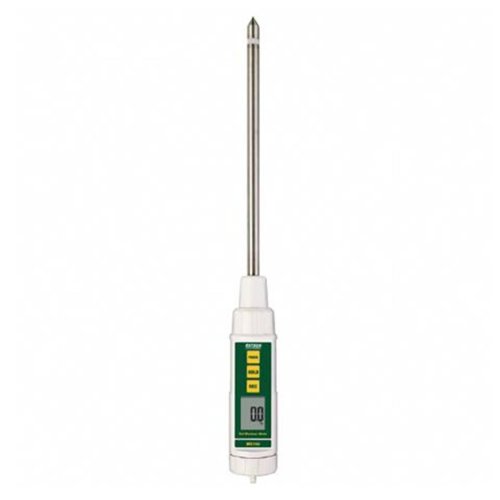
Reliable Soil Moisture Measurement - Take the guesswork out of plant care. The Extech MO750 provides precise soil moisture readings with its durable 8" stainless steel probe, helping you monitor conditions deep beneath the surface.

Pin Moisture Measurement: Provides precise moisture readings for a wide range of building materials, including wood, drywall, and concrete surfaces

Easy to use, precision moisture meter with built-in pin probes, designed for general purpose moisture measuring
Frequently Asked Questions
How to Fix Yellow Leaves on Bonsai?
To fix yellow leaves on bonsai, address nutrient deficiencies with appropriate fertilizers, implement pest control measures against infestations, and adjust environmental factors like sunlight and watering practices to promote healthier foliage and overall plant vigor.
What Is a Solution for Yellowing of Leaves?
Amidst the delicate branches, yellow leaves signal distress; addressing nutrient deficiencies through balanced bonsai care restores vibrancy. Correcting water habits and ensuring sunlight encourages healing, transforming waning greens into a lush, thriving canopy once more.
What Does an Overwatered Bonsai Look Like?
An overwatered bonsai exhibits drooping leaves, particularly lower ones, alongside consistently moist soil. Poor root health is indicated by the yellowing foliage, signaling stress and potential root rot if the issue persists without intervention.
What Is the Rule of 3 in Bonsai?
Ironically, the Rule of 3 in bonsai emphasizes a balance of watering, soil, and nutrient management, yet neglecting these can ironically lead to the very pests and yellowing leaves caretakers seek to avoid.


