As an Amazon Associate, we earn from qualifying purchases. Some links on this site are affiliate links at no extra cost to you. Our recommendations are based on thorough research and editorial judgment.

Why Humidity Trays Matter for Indoor Bonsai Trees

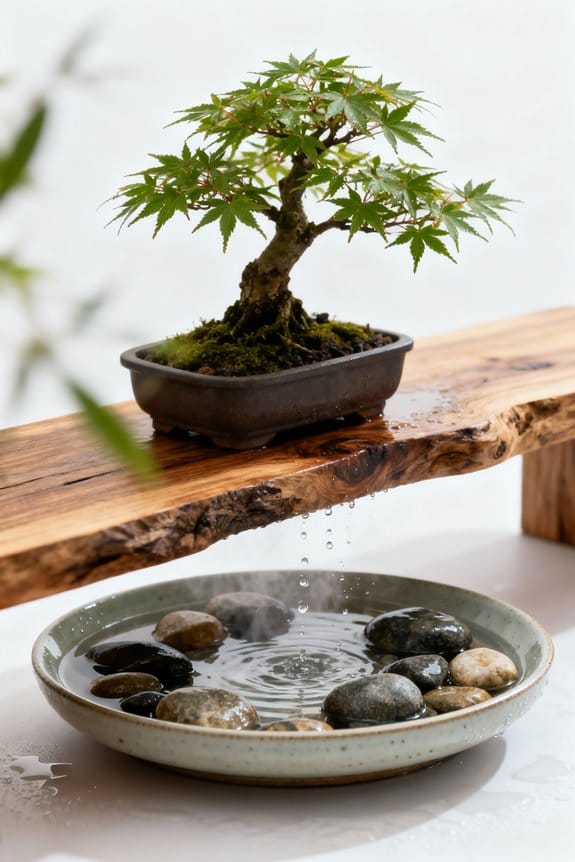
Humidity trays matter for indoor bonsai trees because they help create a humid environment, essential for healthy growth. These trays work by allowing water to evaporate, which raises moisture levels around the tree. This is particularly important for tropical species that thrive in moisture-rich conditions. However, it’s critical to monitor water levels regularly to avoid problems like root suffocation. As you explore more about bonsai care, you’ll discover additional techniques for enhancing humidity effectively.
Key Takeaways
- Humidity trays increase moisture levels around indoor bonsai, essential for tropical and subtropical species to thrive.
- They help prevent stress, yellowing leaves, and health decline in bonsai trees due to low humidity.
- Regular maintenance of humidity trays ensures consistent moisture while avoiding root health issues from excess water.
- They facilitate in-place watering and protect surfaces from water damage caused by drainage.
- Proper airflow with humidity trays promotes strong root development and reduces the risk of fungal infections.
Understanding Humidity Requirements for Indoor Bonsai Trees
When growing indoor bonsai trees, understanding their humidity requirements is vital for fostering healthy growth. Indoor bonsai often thrive in moderate humidity, which helps prevent stress, yellowing leaves, and health decline. While certain species, like the Chinese elm, can adapt to lower humidity, most tropical and subtropical bonsai varieties flourish with increased moisture in the air. A humidity tray might enhance the moisture around these plants, but its effectiveness is limited, only slightly elevating the surrounding humidity. For ideal results, humidifiers may be more beneficial compared to relying solely on humidity trays. Additionally, regular top watering**** remains essential, as this method directly nourishes the roots and prevents issues like overwatering and root rot.
The Purpose of Humidity Trays
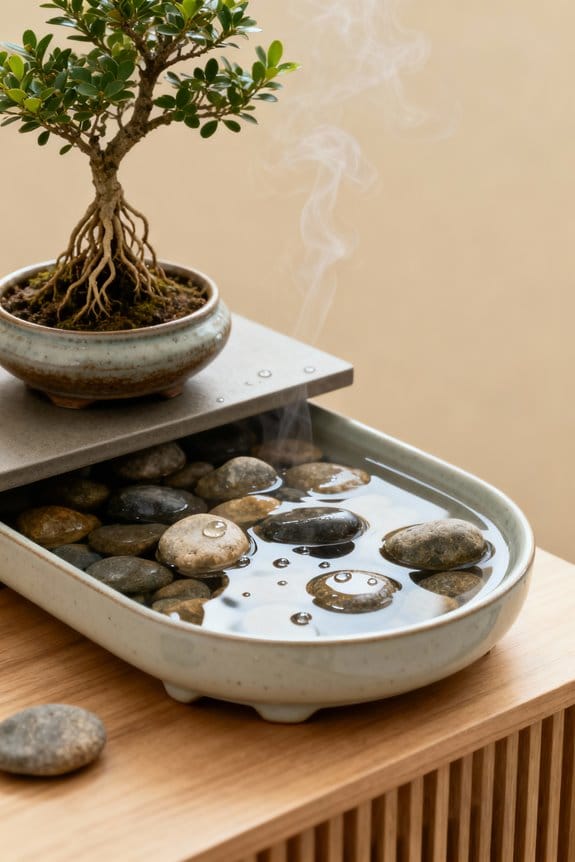
Humidity trays serve an important role in maintaining moisture around indoor bonsai trees. They are designed to increase humidity by allowing excess water to evaporate, which counteracts the drying effects of indoor heating systems. While humidity trays provide some additional humidity, they are not a complete solution for enhancing bonsai health. Regular maintenance is essential, as trays need to be checked for water levels and cleaned to prevent mold growth. Additionally, the material and size of trays can vary, accommodating different pot shapes, such as rectangle, round, and oval. Consider using high-quality materials like thickened glass or stainless steel for durability and eco-friendliness. Ultimately, while useful, humidity trays should be considered as a supplementary tool, alongside other methods like humidifiers, to create the ideal environment for indoor bonsai.
How Humidity Trays Function
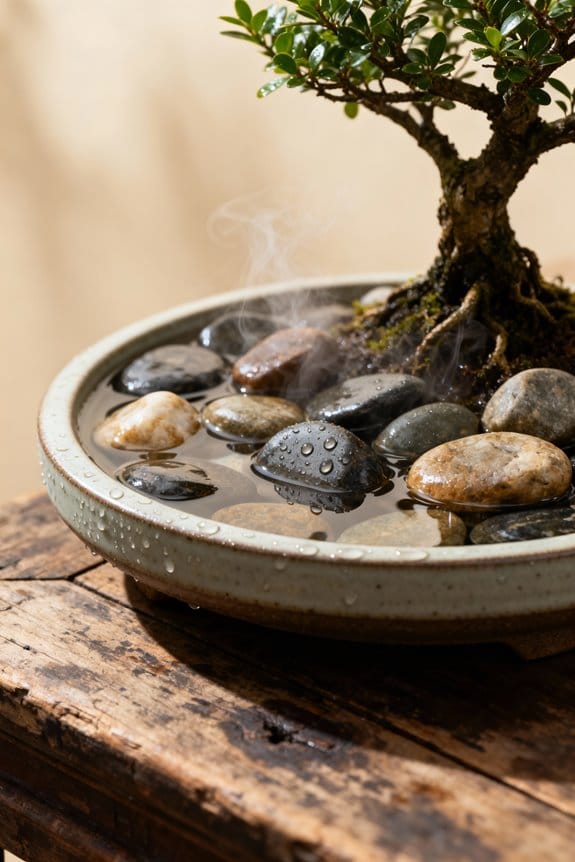
To understand how humidity trays function, it is important to recognize their primary role. Humidity trays are filled with water, allowing evaporation to raise humidity levels around bonsai trees. They work by creating a localized, moister environment that supports these delicate plants. However, the increase in humidity is limited, usually contributing just a few percent more moisture. Additionally, humidity trays do not supply direct water to the roots, so regular top watering remains essential for bonsai health. They are also designed to catch any drainage water, preventing damage to surfaces. Constructed from various materials like plastic or ceramic, these trays come in different styles and sizes, catering to both functionality and aesthetic preferences. Some trays, like the ZEAYEA 4 Pack Bonsai Humidity Plant Tray, are made from strong plastic to resist deformation and breakage while storing excess water for optimal watering practices.
Benefits of Using a Humidity Tray
One significant benefit of using a humidity tray is its ability to help maintain a consistent moisture level around indoor bonsai trees. This is achieved through the evaporation of water, which mitigates moisture loss from transpiration. Various humidity tray types are available, allowing gardeners to select one that suits their bonsai’s needs. Additionally, using these trays facilitates easy in-place watering without requiring the transfer of pots, making care more convenient. They also protect surfaces from water damage caused by drainage during watering. To maximize the benefits, individuals should follow important maintenance tips, such as regularly checking water levels and cleaning to prevent mold buildup. Trays enhance humidity levels, preventing root rot, and promoting healthy growth. Overall, humidity trays are a practical addition for optimal bonsai care.
Potential Drawbacks of Humidity Trays
Using humidity trays can pose several potential drawbacks for indoor bonsai tree enthusiasts. One major issue is that humidity tray disadvantages often stem from their limited effectiveness in raising humidity levels considerably—typically, they do little to enhance conditions. In warm, dry environments, bonsai moisture issues can become pronounced, sometimes leading to excess moisture accumulation. This trapped water may lead to root health concerns, such as overwatering and root rot. Many bonsai varieties, including Junipers, thrive when their soil dries out between waterings. Consistently wet soil can suffocate roots, depriving them of essential oxygen and risking plant death. As a result, many experienced growers recommend focusing on air circulation and proper watering techniques instead of relying solely on humidity trays.
Tips for Effective Use of Humidity Trays
Humidity trays can be a valuable tool for maintaining a comfortable environment around indoor bonsai trees, especially in dry conditions. To enhance their effectiveness, choose appropriate tray material choices that are durable and easy to clean. Position the trays in areas with ideal tray placement for good air circulation, avoiding corners or cramped spaces. Regularly check and refill water to prevent mold buildup, and consider adding decorative rocks to increase evaporation surface area, boosting humidity levels. As the seasons change, remember to make seasonal humidity adjustments, using trays as a supplemental method alongside humidifiers if necessary. Following these tips will help guarantee your bonsai thrives in a more humid and healthy atmosphere. Additionally, trays without drainage holes prevent leaks while maintaining necessary humidity for plants, which is crucial for optimal bonsai health.
Alternatives to Humidity Trays
For those looking to maintain humidity levels around indoor bonsai trees, there are several effective alternatives to using humidity trays. A humidifier can greatly enhance the indoor climate, creating an environment more suited for bonsai care. Pebble trays filled with water are another option, but they should be paired with methods that improve air circulation to avoid root suffocation. Placing bonsai trees in naturally humid areas, such as bathrooms or kitchens, can also benefit their health. Regular watering techniques, like using a spray bottle or taking the plants to the sink, can maintain moisture better than relying solely on humidity trays. Engaging with local bonsai communities may offer additional humidity alternatives tailored to specific regional conditions. Consider enrolling in a Bonsai Master Class to gain further insights into maintaining optimum humidity and care conditions for your indoor bonsai trees.
Importance of Proper Water Levels
Proper water levels play a critical role in the health of bonsai trees, as both overwatering and underwatering can lead to serious problems. Maintaining the right soil moisture is essential for robust root health. Overly saturated soil can cause root rot, while too little water stresses the tree, resulting in yellowing leaves. It is important to monitor the watering frequency. The ideal method involves thoroughly moistening the soil, allowing excess water to drain while ensuring the top layer dries out before the next watering. This approach prevents soggy conditions and promotes healthy root development. Proper drainage prevents waterlogging and root rot, which are common issues in bonsai care. By managing water levels effectively, bonsai trees can thrive and become more resilient against pests and environmental stresses, leading to vibrant, flourishing plants.
Enhancing Air Circulation Around Roots
While many indoor bonsai enthusiasts focus on watering practices, enhancing air circulation around roots is equally important for plant health. To optimize airflow, it is critical not to place humidity trays directly in water. This can lead to root suffocation and increase the risk of rot. Elevating the pot above the water allows roots to breathe, benefiting from ambient moisture while avoiding waterlogged conditions. Additionally, using drainage trays can help guarantee that excess water escapes, keeping roots healthy and dry. Proper air circulation not only minimizes the chance of fungal infections but also encourages strong root development, which is integral for bonsai vitality. By prioritizing airflow optimization, bonsai owners can support their plants’ overall well-being.
The Role of Environment in Bonsai Health
Understanding the role of the environment in bonsai health is essential for any indoor gardener. Environmental factors, such as humidity and temperature influences, play an important role in the well-being of bonsai trees. Proper humidity levels help maintain soil moisture and prevent issues like yellowing leaves or stress. Indoor conditions often lead to dry air, especially during winter heating, making humidity management vital. Using humidity trays can enhance the environment but should not replace good watering practices. Additionally, it’s important to encourage airflow around pots to avoid excessive moisture, which can cause root rot. High-quality peat moss can improve nutrient absorption and support strong root growth in bonsai trees. By balancing these elements, gardeners can foster healthier, more vibrant bonsai trees that thrive indoors.
Community Insights on Humidity Tray Usage
Community insights reveal varying opinions on the use of humidity trays for indoor bonsai trees. Some members argue that the humidity tray benefits only slightly increase humidity levels, making them unnecessary for bonsai health. Others caution that using these trays can lead to overwatering, especially for trees like Junipers, which prefer to dry out. Many enthusiasts recommend emphasizing proper air circulation and closely monitoring moisture levels instead. Experienced growers suggest that keeping bonsai outdoors allows trees to enjoy natural humidity and airflow, thereby minimizing dependence on humidity trays. Community discussions often highlight alternative humidity management methods, such as using humidifiers, suggesting that these solutions may be more effective for indoor plant care while ensuring healthier bonsai trees. It is essential to consider the full spectrum grow lights to enhance indoor bonsai growth, as they mimic natural sunlight and promote vibrant foliage development.
Making Informed Decisions About Humidity Management
When determining the best humidity management techniques for indoor bonsai trees, it’s important to take into account various options. Humidity challenges can affect tree health, so moisture balancing is key. While humidity trays can help maintain moisture, they often do not notably raise humidity levels. They are useful for capturing drainage water, however, which protects surfaces. It’s vital to refill these trays regularly to avoid mold buildup. Additionally, top watering remains critical to preventing waterlogged soil, which can harm a tree’s roots. To make informed decisions, consult experienced bonsai growers or local bonsai organizations for alternative humidity management strategies. This balanced approach will help guarantee ideal conditions for your bonsai’s well-being.
Frequently Asked Questions
What Is the Purpose of a Humidity Tray for a Bonsai Tree?
A humidity tray aids in humidity control benefits for bonsai health within an indoor environment. It promotes moisture retention through evaporation and assists in creating a more suitable climate, although it does not directly water the plants.
What Is the Rule of 3 in Bonsai Trees?
The Rule of 3 in bonsai care emphasizes a harmonious layout with three focal elements, like trees and stones. This balance enhances water retention and maintains ideal humidity levels, fostering visual interest and emotional connection in displays.
What Is the Best Humidity for Indoor Bonsai Trees?
The best humidity for indoor bonsai trees is between 40-60%. Meeting these humidity needs creates ideal conditions, greatly enhancing plant health, preventing issues like leaf drop, and ensuring robust growth throughout their indoor environment.
Are Humidity Trays Effective?
Humidity trays, often deemed ineffective, provide minimal humidity control benefits. While some moisture retention techniques exist, they fall short amidst indoor climate considerations, with many opting for more reliable alternatives like humidifiers to guarantee ideal conditions.


