As an Amazon Associate, we earn from qualifying purchases. Some links on this site are affiliate links at no extra cost to you. Our recommendations are based on thorough research and editorial judgment.

Understanding Bonsai Soil and Why Regular Potting Mix Fails

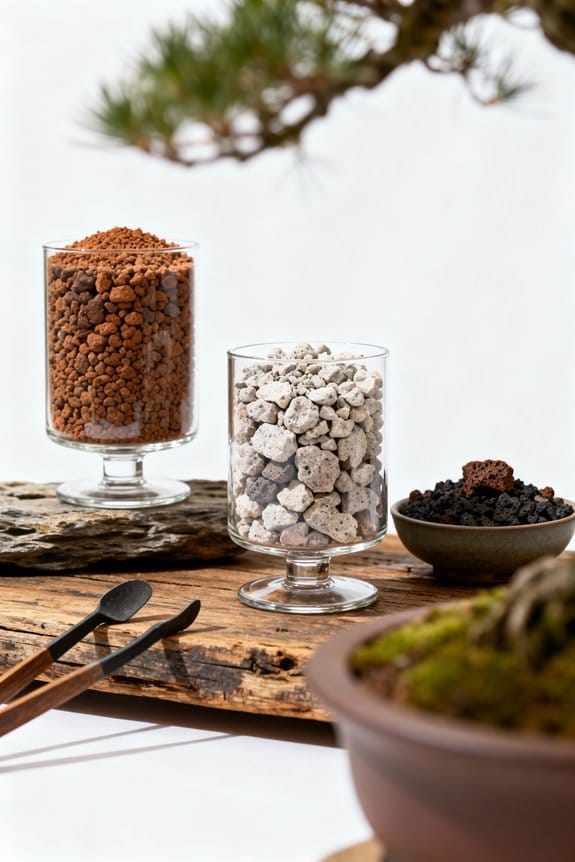
Bonsai soil is specifically designed to support the unique needs of bonsai trees. Unlike regular potting mix, bonsai soil guarantees proper drainage and aeration, which are essential for healthy root systems. Regular mixes often retain too much moisture, leading to root rot. Quality bonsai soil includes materials like akadama, pumice, and lava rock to promote airflow and prevent suffocation. Understanding these differences can greatly improve tree health and aesthetics, opening the door to effective bonsai care.
Key Takeaways
- Specialized bonsai soil ensures optimal drainage and aeration, preventing root rot and promoting healthy growth.
- Regular potting mixes retain too much moisture, risking waterlogged conditions that suffocate bonsai roots.
- Bonsai soil is low in nutrients, tailored for limited soil volume, contrasting with rich potting mixes for regular trees.
- Key ingredients like akadama, pumice, and lava rock create an open structure that enhances airflow essential for bonsai health.
- Frequent fertilization is necessary for bonsai in lightweight substrates; regular potting soil often lacks the balanced nutrients needed.
The Importance of Specialized Bonsai Soil
Understanding the importance of specialized bonsai soil is vital for any bonsai enthusiast. A proper bonsai soil mix differs greatly from regular potting soil, which can retain too much moisture and lead to root rot. Bonsai soil consists of lighter, organic materials, specifically designed to guarantee ideal drainage and aeration. This is essential for bonsai trees, as their roots are confined in small pots and need sufficient oxygen. The open structure facilitates better airflow, preventing roots from suffocating in densely packed soil. Ideal substrates like akadama, pumice, and lava rock improve moisture regulation, adapting to the specific needs of bonsai. Using tailored bonsai soil supports tree health and helps maintain the desired aesthetic form, vital for every bonsai enthusiast. Conifer species need well-draining mixes to thrive, making the correct choice of bonsai soil crucial for their growth and health.
Key Differences Between Bonsai and Regular Trees
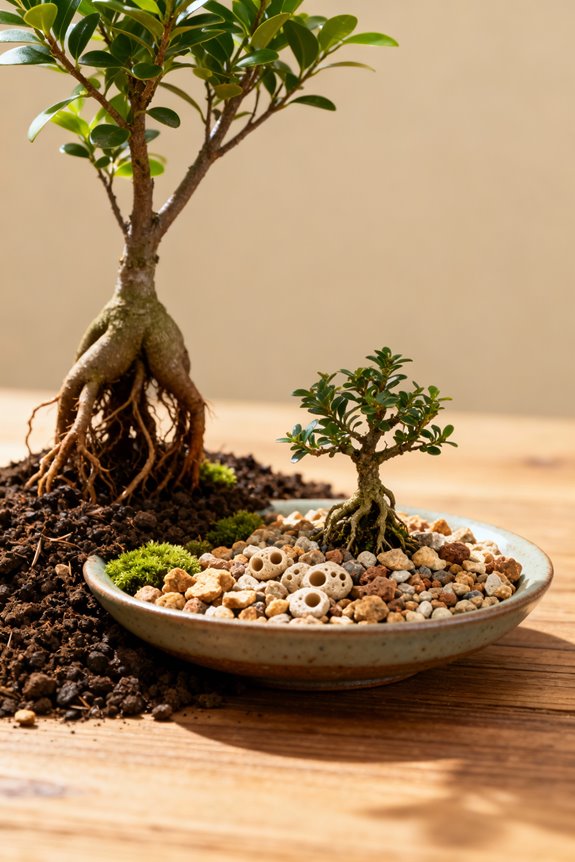
While both bonsai and regular trees are part of the same botanical family, they have striking differences that impact their growth and care. Bonsai trees are cultivated in small pots, which limit root growth, whereas regular trees thrive in spacious soil systems. The soil for bonsai, known as bonsai mix, is typically low in nutrients and employs a variety of organic materials, ensuring good drainage and aeration. In contrast, regular trees benefit from rich potting mix that retains moisture and nutrients. This limited substrate makes bonsai trees more sensitive to care, requiring precise attention to drainage. Enthusiasts must often maintain compact canopies, making bonsai care more demanding compared to the more straightforward maintenance of regular trees. Additionally, excellent drainage and aeration are essential in bonsai soil to prevent root rot, which is a common issue if the soil retains too much water.
The Role of Drainage and Aeration in Bonsai Soil
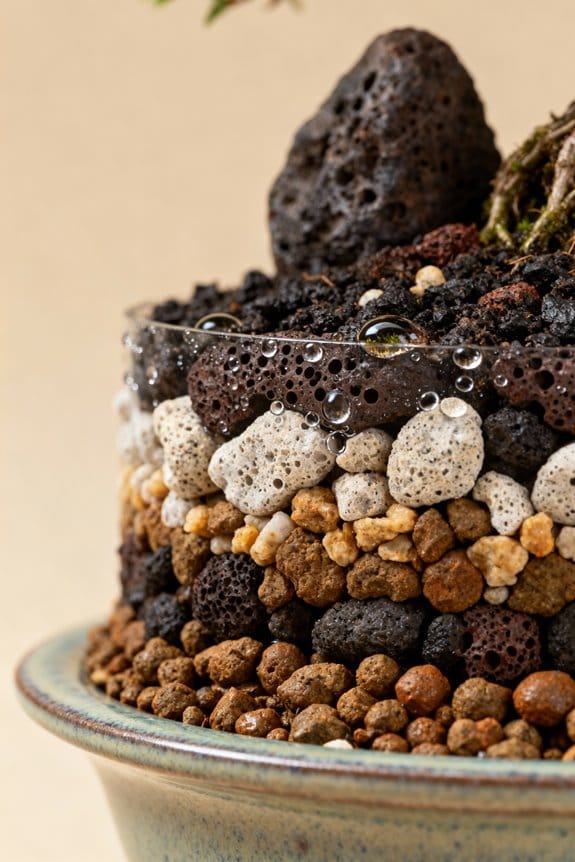
Bonsai soil must meet the specific needs of the trees it supports, particularly regarding drainage and aeration. These elements are essential for healthy root systems, preventing issues like root rot and compaction. Dense organic soil can limit water flow and air circulation, important for trees grown in bonsai pots. A well-structured mix should incorporate materials like pumice and lava rock, enhancing drainage while keeping nutrient retention in check. Poor drainage from regular potting soil can lead to waterlogged conditions, suffocating roots and fostering fungal growth. Therefore, it is critical to prioritize open and well-aerated soils in bonsai cultivation. This approach guarantees an adequate oxygen supply, helping to maintain robust and thriving bonsai trees. Quality Akadama made from volcanic soil enhances aeration and drainage, making it an excellent choice for bonsai enthusiasts aiming for optimal plant health.
Understanding Fertilization Needs for Bonsai Trees
Fertilization is essential for the health and growth of bonsai trees, especially since the limited soil volume often leads to nutrient depletion. Using a mix of organic and inorganic fertilizers is a good idea, as it helps replenish nutrients more effectively. When choosing a bonsai, consider the specific fertilization needs based on its species and growth stage. Fertilizers should be applied frequently, especially in open substrates where nutrients are absorbed quickly. For example, a blend containing pine bark may enhance nutrient retention. Without proper fertilization, growth in bonsai trees may slow down considerably, impacting their overall vigor. Tailoring your fertilization strategy will guarantee that your bonsai thrives in its constrained environment. A balanced N-P-K ratio is necessary for healthy root development in bonsai trees, ensuring they receive the essential nutrients for optimal growth.
Personal Experiences and Experimentation With Soil Mixes
Experimenting with different soil mixes can be both rewarding and enlightening for bonsai enthusiasts. Many recall how excessive organic materials, like sand or Turface, led to compaction, poor drainage, and unhappy roots. The bonsai community encourages custom mixes tailored to specific species, often yielding better results than standard options. Observing particle size can show how different mixtures either retain too much water or allow for effective drainage. This knowledge is vital for avoiding overwatering and root rot. New bonsai growers find value in learning from both successes and failures, gaining insight into the unique needs of their trees. Overall, these experiences provide a richer understanding of soil and contribute to healthier bonsai practices. Additionally, using soil moisture meters ensures optimal watering, preventing root rot and enhancing plant health.
Recommendations for Selecting the Right Bonsai Soil
Selecting the right soil for bonsai can greatly influence the health and growth of these miniature trees. A quality mix should include akadama, pumice, and lava rock to guarantee excellent drainage and aeration. These components help maintain proper moisture levels while preventing root rot. If akadama is not available, alternative options like pine bark nuggets combined with pumice and lava rock can work well. It’s also crucial to sieve your soil ingredients to remove fine particles, which can block drainage and air circulation. Regular monitoring of moisture levels is necessary, as different bonsai species may require adjustments based on their unique needs and growing conditions. This attentiveness supports optimum health and flourishing for your bonsai. Additionally, Japanese Kanuma soil is ideal for acid-loving bonsai species as it provides a naturally acidic environment and excellent aeration properties.
Frequently Asked Questions
Can You Use Normal Potting Mix for Bonsai?
Using normal potting mix for bonsai is inadvisable, as it disrupts bonsai drainage and soil composition, leading to poor root health. Proper moisture retention and nutrient balance are essential for ideal bonsai growth and longevity.
What Is the Rule of 3 in Bonsai?
The Rule of 3 in bonsai emphasizes three distinct visual areas: roots, trunk, and foliage. This principle enhances bonsai watering techniques, root pruning, and seasonal care, guiding appropriate species selection and styling methods for balanced aesthetics.
What Is the Difference Between Bonsai Soil and Regular Soil?
Bonsai soil composition, unlike its conventional counterpart, guarantees superior drainage properties and promotes root health. Its ideal particle size and carefully balanced pH, combined with limited nutrient retention, create an environment suited for delicate bonsai trees.
How to Make a Bonsai Potting Mix?
To create bonsai potting mix, combine various bonsai soil types like akadama, pumice, and lava rock for drainage materials, including organic components. Ascertain appropriate soil pH and nutrient balance suited to the specific bonsai species.


