As an Amazon Associate, we earn from qualifying purchases. Some links on this site are affiliate links at no extra cost to you. Our recommendations are based on thorough research and editorial judgment.

Different Types of Bonsai and Which Style Fits Your Personality

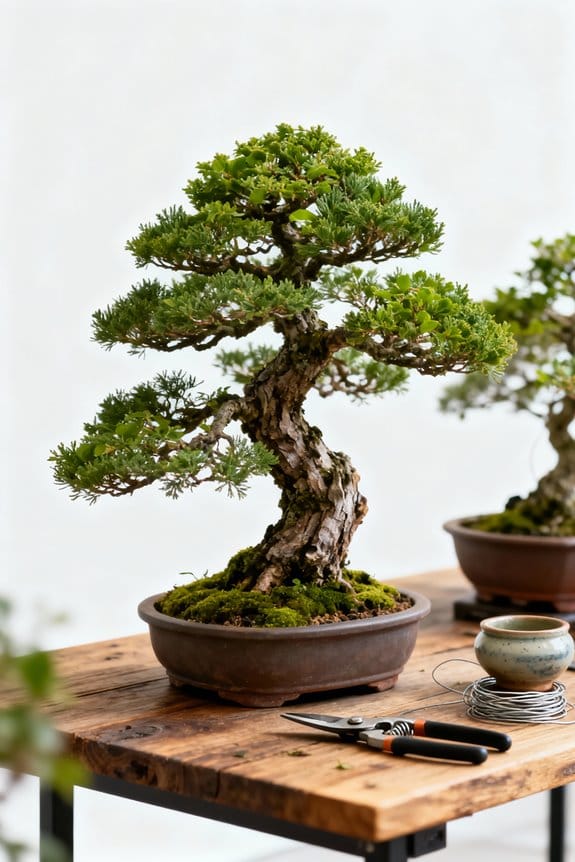
Bonsai gardening offers various styles that resonate with personal traits. Beginners might find the Formal Upright or Broom styles suitable for their simplicity. Intermediate growers can explore styles like Informal Upright, which allows for creativity. Advanced practitioners may appreciate the elegance of Literati. Understanding your personality can help in selecting the right style. A calm individual may thrive with a minimalist approach, while a more artistic person could enjoy complex designs. Learn more about finding your perfect match.
Key Takeaways
- Formal Upright suits those who prefer simplicity and stability, reflecting a structured personality.
- Informal Upright offers creative expression with graceful curves, appealing to artistic individuals.
- Literati demands advanced skills, perfect for those who appreciate minimalism and elegance in design.
- Broom Style embodies a nurturing spirit, ideal for beginners who enjoy fostering growth with a fan-like canopy.
- Your chosen bonsai style should resonate with your personal values, balancing aesthetic preference and the tree’s natural characteristics.
Understanding Bonsai Styles and Their Significance
Understanding bonsai styles is essential for anyone interested in this delicate art form. Bonsai styles shape the tree’s visual form, echoing nature in a miniature way. Various styles, like Formal Upright and Broom, align with different tree species and their unique care needs. When choosing the right style, beginners should focus on the tree’s natural growth patterns and overall expression. For instance, advanced styles such as Literati require deeper knowledge and skill to maintain their aesthetic. It is vital to avoid common mistakes, such as forcing a style incompatible with the tree’s nature. Ultimately, understanding these styles helps growers make informed choices, ensuring a successful bonsai journey while preserving the health and beauty of their trees. Selecting native seeds can improve adaptability to local conditions, which is crucial for maintaining the health and growth of bonsai trees.
Overview of Common Bonsai Styles
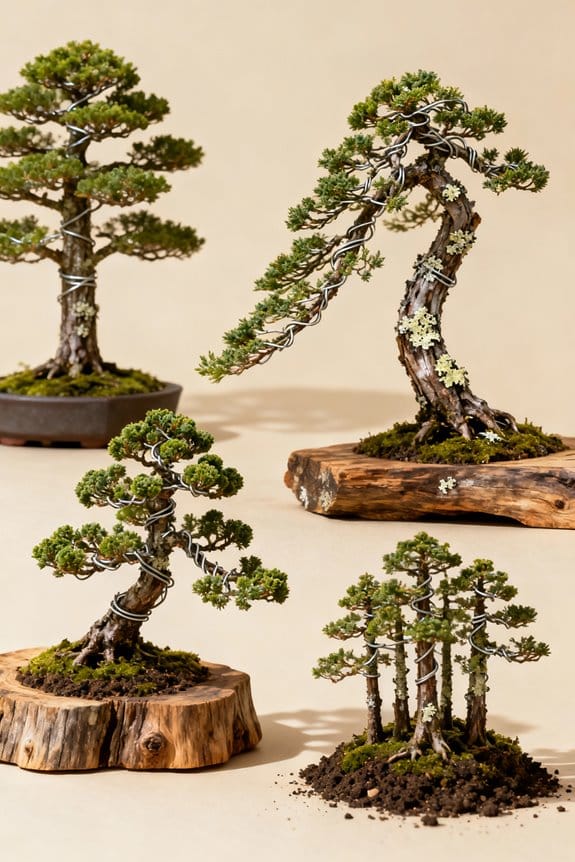
Bonsai offers a range of styles that cater to the needs and aspirations of growers, enhancing both the trees’ appearance and their artistry. The Formal Upright style features a straight trunk that tapers, making it an ideal choice for beginners. In contrast, the Informal Upright showcases graceful curves and is suitable for most bonsai species, allowing for artistic expression. The Literati style is minimalist, characterized by sparse and expressive lines, appealing to advanced practitioners seeking a unique aesthetic. Other styles like the Broom style display a fan-like canopy, which is approachable for novice growers. Each bonsai style provides different experiences and challenges, making it essential for individuals to choose one that resonates with their personality and creative vision. To ensure optimal soil texture, utilizing a bonsai soil sieve set with interchangeable mesh screens can greatly enhance the growth and health of your bonsai trees.
Recommended Products

Great for separating and grading rock and soil samples

【METAL MATERIAL】This soil sifter is made of metal iron, sturdy and durable with strong load-bearing and deformation resistance. It withstands impact and friction from sand, stones and soil without easy damage. Measuring 39×19.5×2.75 inches, its large screen handles more materials at once for higher efficiency.
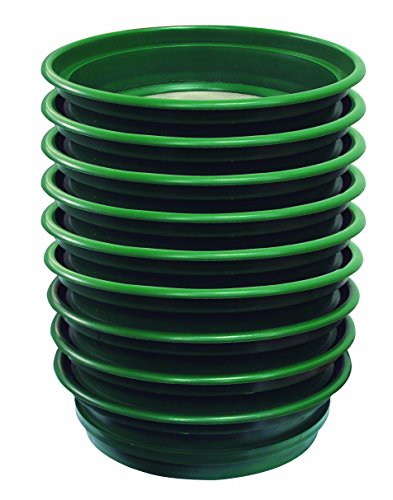
Complete Classification Kit Includes 9 stackable sifting pans with mesh sizes from 1/100" to 1/2", optimizing gold recovery and material sizing
In-Depth Analysis of Specific Styles
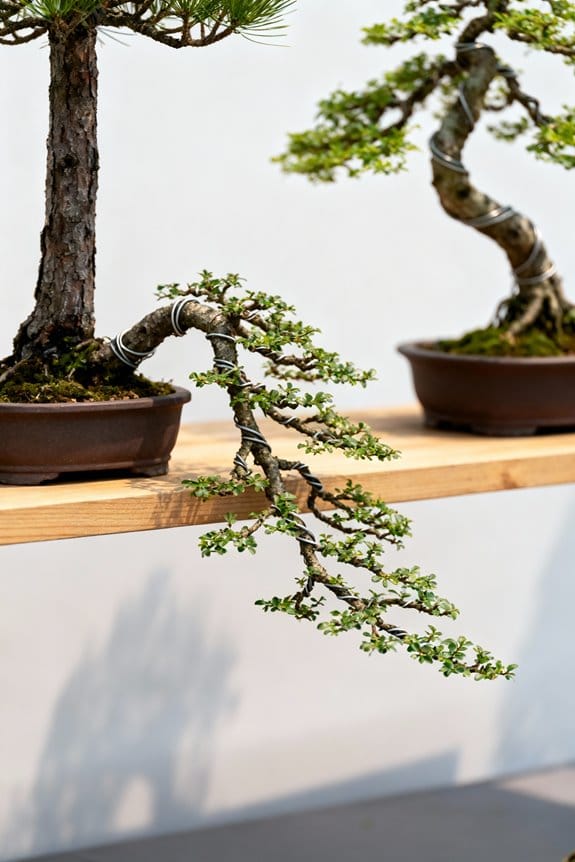
Different bonsai styles cater to varying artistic preferences and skill levels. For beginners, the Formal Upright style suits those who want a straight trunk and gradual taper. The Informal Upright style offers graceful curves, making it ideal for many bonsai tree species. Intermediate growers might enjoy the Slanting style, which portrays a natural leaning effect. Advanced techniques are needed for the Cascade style, which mimics trees on cliffs by drooping below the pot’s rim. Finally, the Literati style is best suited for experienced growers, featuring a minimalist design that highlights elegance. Consistent moisture is essential for bonsai health, preventing issues like root rot while supporting robust growth. By understanding these specific needs, one can choose the right style that aligns with their skills and artistic vision.
Recommended Products

CONTENTS Comes with 30 Concave Cutters and 30 Knob Cutters

JAPANESE BONSAI TOOL SET WITH BAG: Made in Japan authentic professional bonsai tool set. These tools can be used for various kinds of bonsai work such as pruning, cutting, daily trimming, wire bending and cutting, jin making, moss and soil cleaning, and repotting work. ALL items are produced and finished by a blacksmith and craftsman in Nigata Tsubame Sanjo, a city of Japanese leading cutlery town.

Upgrade Your Bonsai Skills with Professional Bonsai Tool Sets. All-Inclusive Essentials: Covers every necessary tool for bonsai pruning, shaping, wiring, and maintenance, no extra purchases needed.
How to Determine the Right Style for Your Personality
How can one align personal preferences with bonsai styles? To determine the right bonsai, start by evaluating your natural inclinations. If you appreciate symmetry and straight lines, consider the Formal Upright style; it’s beginner-friendly and promotes structure. If curves and organic shapes appeal more, the Informal Upright style might be a perfect fit, highlighting graceful trunk movements. For adventurous individuals, the Cascade or Windswept styles offer drama, though they require more skill. On the other hand, creative types may favor the Literati style, which embraces minimalism. Finally, evaluate your availability for care; simpler styles like Broom or Semi-Cascade suit busy lifestyles, while intricate styles necessitate a more substantial commitment. Choose a tree that truly reflects who you are! When selecting a bonsai, consider environmental adaptability as most bonsai elms thrive in diverse climates and are adaptable to various soil types.
Recommended Products

Above 10 years old Nana junipre tree .100% Home-Grew.We used all glazed ceramic pot and comes with a great real bamboo stand for free.

🌲HIGH ENERGY CRYSTALS: Amethyst is a “Health Meditation Stone” promoting hormonal balance. Our Gemstone Tree is handmade with exactly 1,300 positive energy, hand-selected, gem grade crystals! The leaves are made of Amethyst Gemstones, is believed to have healing properties that protect the bearer against negative energies. Our Crystal Bonsai Tree is soothing to the eye, offers environmental blessings to any room in your home, office and spiritual work space.
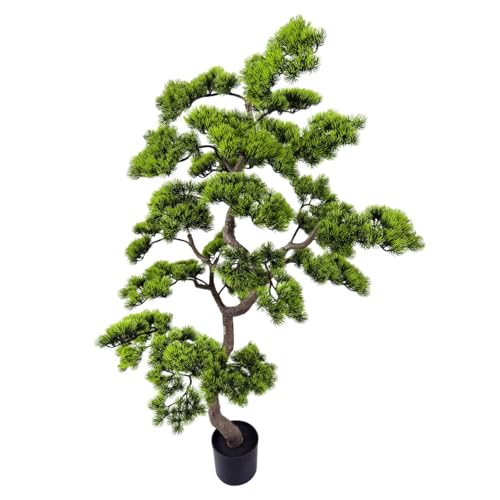
1. Standing 5ft Tall, this lifelike artificial juniper bonsai tree captures the essence of ancient Zen artistry with modern PE materials. Its intricate layered foliage and natural trunk texture deliver museum-quality realism—no watering, trimming, or sunlight needed. Perfect for filling empty corners in living rooms or offices
Matching Bonsai Styles With Skill Level
Selecting the right bonsai style can greatly enhance one’s experience in this rewarding hobby. Beginners, often enthusiastic to start, should consider styles like Formal Upright and Broom. These styles are straightforward, ensuring a clear growth pattern with minimal technical challenges. As bonsai enthusiasts gain experience, they can explore the Informal Upright or Slanting styles, which require more understanding of tree shaping. Advanced artists may find the Cascade, Literati, or Windswept styles fitting, as they demand significant skill in tree manipulation. Additionally, Multi-Trunk and Root-Over-Rock styles provide exciting challenges for both intermediate and advanced growers. Ultimately, matching a bonsai style with one’s skill level is essential for creating the perfect bonsai while ensuring a fulfilling journey with tree species that fit those techniques. Beginners should start with beginner-friendly species like juniper and ficus to ensure success in cultivation.
Recommended Products

CONTENTS Comes with 30 Branch Bender Tools

Package Include: ・1 of Concave Cutter ・1 of Knob Cutter ・1 of Jin Pliers ・1 of Bonsai Wire Cutter ・1 of Root Cutter ・1 of Trunk Splitter ・1 of Bonsai Tool Roll Case - All Made in Japan Cutters: S55C Carbon steel, Black Coated

Package Include: ・1 of Concave Cutter ・1 of Knob Cutter ・1 of Jin Pliers ・1 of Bonsai Wire Cutter ・1 of Root Cutter ・1 of Bonsai Tool Roll Case - All Made in Japan Cutters: S55C Carbon steel, Black Coated
The Role of Tree Species in Style Selection
Understanding the relationship between tree species and bonsai styles is essential for any aspiring bonsai artist. Different bonsai trees exhibit unique growth habits, influencing style selection. For example, species like Juniper and Pine are ideal for cascading or informal upright styles, thanks to their natural trunk movement and draping branches. Conversely, deciduous trees such as Japanese Maple thrive in broom or multi-trunk styles, showcasing appealing canopies and vibrant seasonal colors. Additionally, flowering bonsai, like Cherry Blossoms or Azaleas, express elegance in romantic designs that highlight their blooms. By recognizing the characteristics of each tree species, beginners can confidently choose a bonsai style that aligns with their personal aesthetic and creativity. It is also important to consider the maintenance and care essentials when selecting a bonsai tree, as some species require specific light conditions and watering routines to thrive.
Recommended Products


HOME DECOR ACCENT: A beautiful lifelike plant perfect to accent any room or space for year-round greenery. Bring an organic twist to your space with the Cedar Bonsai Silk Plant from Nearly Natural. This realistic piece of home decor is an exceptional replica of a traditional bonsai tree, complete with perfectly pruned shrubs. Featuring a decorative planter base with a white bamboo graphic, realistic root structure, a trunk and beautiful artificial bonsai leaves trimmed in life-like form. Made from durable material, it is a breeze to maintain and clean, making this accent ideal for outdoor use as well.
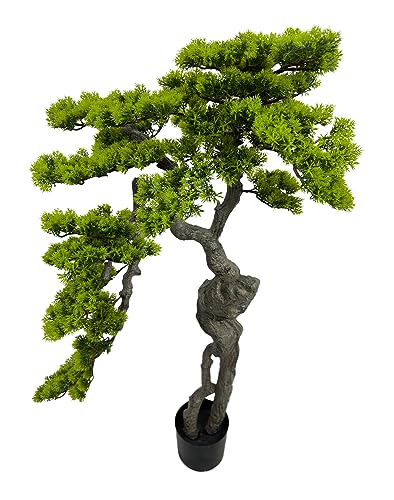
Fake bonsai tree is the communication ancient art and modern art form, precisely pruning various tree and bushes into miniatures that still resemble all the awe of a full sized indoor bonsai tree. This 43inch captivating juniper bonsai tree features the power and tranquility of bonsai trees.
Avoiding Common Mistakes in Bonsai Style Choice
While choosing a bonsai style may seem exciting, beginners often encounter common mistakes that can hinder their success. First, it is crucial to avoid complex styles before mastering foundational skills. Starting with simpler forms allows for more enjoyable growth. Additionally, forcing a style that doesn’t fit the tree’s natural growth can lead to poor health. Over-pruning in pursuit of aesthetics is another pitfall; it can permanently damage the tree and disrupt its natural development. Future appearance should also be a priority. Decisions made early can impact long-term beauty and health. Finally, while a personal vision is important, it should not overshadow the tree’s natural character. Finding balance guarantees a thriving bonsai experience for all. Incorporating ergonomic designs in your bonsai tools can also enhance comfort and reduce hand strain during extended gardening sessions.
Exploring Personal Connections Through Bonsai
How can bonsai trees serve as a mirror to one’s personality? Bonsai, as miniature trees, provide an intimate way to express individual traits. The chosen species can reflect personal inclinations; for instance, flowering varieties may attract romantics, while resilient evergreens may resonate with adventurers. Engaging in bonsai care requires patience and mindfulness, appealing to those who cherish tranquility. It also fosters creativity and analytical skills through pruning and shaping, making bonsai suitable for methodical and artistic individuals alike. Each bonsai style, from the formal upright to the windswept design, offers a unique narrative. This allows owners to tell their stories, creating a personal connection that intertwines artistry and character through these delicate trees. Additionally, bonsai gardening promotes patience and creativity, offering a calming, meditative experience that enhances home aesthetics with living plants.
Frequently Asked Questions
What Is the Rule of 3 in Bonsai?
The Rule of 3 in bonsai emphasizes odd-numbered groupings for visual balance, enhancing aesthetic principles. This influences bonsai care techniques, including pruning guidelines that maintain three main branches for stability and a natural look in various types of bonsai.
Which Bonsai Tree Is Best for Me?
Bonsai selection tips should consider tree care habits, artistic styles, and personal preferences. Low-maintenance options suit busy lifestyles, while more intricate species challenge enthusiasts, ensuring each choice aligns with individual circumstance and aesthetic taste.
What Is the Golden Rule of Bonsai?
The golden rule of bonsai emphasizes respecting natural growth patterns, prioritizing bonsai care over aesthetics. Injuring the tree through improper pruning or techniques can hinder its development, requiring patience and gradual refinement for success.
What Is the Personality of a Bonsai Tree?
Like a silent storyteller, a bonsai tree embodies personality reflection through its characteristics. Each twist and turn symbolizes growth, while its maintenance reveals discipline or spontaneity, intertwining tree symbolism with the caretaker’s essence.