As an Amazon Associate, we earn from qualifying purchases. Some links on this site are affiliate links at no extra cost to you. Our recommendations are based on thorough research and editorial judgment.


How to Plan the Front and Planting Angle of Your Bonsai

To plan the front and planting angle of your bonsai, start by observing its unique features. Identify striking aspects, like interesting branches or deadwood. The planting angle greatly affects the tree’s perceived height and movement. Aim for a balance that highlights these characteristics while maintaining harmony. Evaluate different angles to find the most appealing perspective. During repotting, manage roots carefully and adjust the angle to support new growth. There’s much more to explore on enhancing your bonsai’s beauty.
Key Takeaways
- Assess unique features like deadwood and hollows from a 360-degree view to determine the most visually striking front for your bonsai.
- Experiment with different planting angles to enhance perceived height, movement, and character, creating a dynamic focal point.
- Ensure the root structure aligns with the chosen angle and retain some roots for stability and nutrient absorption during repotting.
- Utilize good lighting when evaluating your bonsai to highlight its unique characteristics and enhance overall aesthetics.
- Document the progress of your bonsai, including changes in front selection and angle, to track health and stylistic development over time.
Understanding the Importance of Front Selection
When selecting the front view of a bonsai, it is essential to recognize its role in enhancing the tree’s visual appeal. This decision acts as a focal point, showcasing the best features of the tree. One of the important steps is to evaluate how the front of the tree highlights its unique aspects, like deadwood or hollows. Selecting a suitable front does not limit viewing from other angles, allowing observers to appreciate the entire beauty of the bonsai. Additionally, understanding the tree’s structure and balance will guide in choosing the most harmonious front. Observing natural growth patterns helps draw attention to the strengths of the bonsai, leading to a more engaging presentation that captures the eye. Proper maintenance and care of bonsai tools are crucial for ensuring that the selected front of the bonsai can be effectively maintained and enhanced over time.
Evaluating Your Bonsai’s Unique Features

Evaluating a bonsai’s unique features is essential to highlighting its beauty and individuality. To start, take a 360-degree view of the tree. This perspective allows one to identify striking features such as interesting textures or unique bends. During the evaluation, highlight special characteristics, like deadwood or hollows, as these can markedly enhance the aesthetic appeal. Assess the tree’s structural balance to guarantee the chosen front complements its overall composition. Observing the natural growth patterns helps determine the most effective planting angle. This angle is vital for emphasizing the tree’s features. Additionally, utilize good lighting during your evaluation to illuminate the unique details, making your bonsai a compelling focal point. Consider incorporating live moss to add vibrant greenery and natural depth, enhancing the overall aesthetic of your bonsai display.
Recommended Products

Please do not water it! What we have is the maintenance-free preserved moss which is made with real, fresh moss. Preserved moss will keep green for many years without any maintenance or water use at all.

💚 Bring New Life To Your Home Decor: Harvested from tall trees in Central California, our live Spanish moss is more vibrant than fake moss, and makes the ideal plant pot filler for your living room, kitchen, or nursery.

Soft, Lush Natural Texture - Mood Moss by SuperMoss offers a full, cushiony texture with rounded, elegant contours that enhance home decor, table decor, and wedding decor. Its natural appearance adds warmth and detail to any display.
Techniques for Analyzing Different Angles

Analyzing different angles of a bonsai tree is crucial for selecting its best front view. Begin by rotating the tree, observing it from a complete 360-degree view. This method allows the evaluator to identify unique traits, such as interesting deadwood or appealing branch placements. Noting which angles present the tree’s most attractive features is essential for making informed decisions. Balance and overall composition should also be assessed; they contribute greatly to visual harmony. Additionally, utilize appropriate lighting to enhance certain characteristics. This can dramatically improve the impact when viewed from different angles. By methodically analyzing each angle, enthusiasts can determine the most visually engaging front perspective to highlight the tree’s natural beauty. Regular application of bonsai liquid growth boosters can help in maintaining the tree’s health and enhancing its features, making it easier to identify the best angles.
Recommended Products

Brand name: Superthrive

Complete with all 16 essential elements

20-20-20 Analysis - Great for providing fast green-up and rapid leaf expansion in all indoor and outdoor plants.
The Role of Planting Angle in Aesthetics
Choosing the right planting angle for a bonsai tree significantly shapes its visual impact. The planting angle greatly influences the tree’s perceived height, movement, and character. A carefully selected angle enhances natural features, creating a dynamic focal point. For instance, emphasizing unique twists or curves in the trunk can draw the viewer’s eye. Bonsai artists often aim for angles that showcase the tree’s best attributes, like distinctive deadwood or branching patterns, while achieving balance and harmony in the design. Adjusting the planting angle can also reveal new growth opportunities, enhancing appearance over time. Evaluating the tree from various perspectives is essential, ensuring that the chosen angle amplifies its desired visual aesthetics effectively. Additionally, beginner-friendly species selection can aid in choosing the right bonsai tree that responds well to different planting angles, fostering resilience and enhancing the overall aesthetic.
Preparing for a New Planting Angle
When preparing for a new planting angle, it is important for bonsai enthusiasts to understand the process involved in repositioning their tree. First, allow the tree to grow wild for at least two months. This helps it accumulate energy for root work. For older trees, begin preparation up to one year in advance to promote robust growth. Keep in mind that repotting should occur during the active growth phase, ideally between June and July for tropical plants. Anticipate major root pruning; focus on preserving the roots that will stay buried in the new position. Finally, guarantee proper drainage in the pot while keeping soil moisture on the upper layer to support establishment during adjustment. Understanding the ideal pH level for bonsai soil is crucial, as it affects nutrient availability and overall plant health during this transition.
Recommended Products

Fast draining and nurturing: Our succulent potting soil helps prevent root rot and overwatering. Bonsai Jack succulent soil mix is used to enhance bonsai and succulent plants, including Echeveria, Haworthia, Crassula, Lithops, Jade, Aloe and Crassula.

Specially formulated to help acid-loving plants thrive

Blended with 4% Seaweed: Liquid Sea Kelp Concentrate blended with Ascophyllum Nodosum Seaweed harvested in the Icy North Atlantic
Timing Your Repotting: Key Considerations
Understanding the timing of repotting is vital for cultivating a healthy bonsai. For a Fukien tea bonsai, this process should ideally occur between June and July during its active growth phase. Before repotting, allow the tree to grow freely for at least two months. This helps it gather energy needed for root work. Older bonsai may require a year of preparation to adjust the planting angle effectively. Additionally, monitoring the tree’s health is important; local climate variations might necessitate flexibility in repotting timelines. Aim for new root development to finish prior to winter, making timely repotting during the active growth phases essential for success. Consistent attention guarantees a robust and thriving bonsai. Ensure optimal drainage in your bonsai soil mix to prevent waterlogging and support healthy root development.
Recommended Products
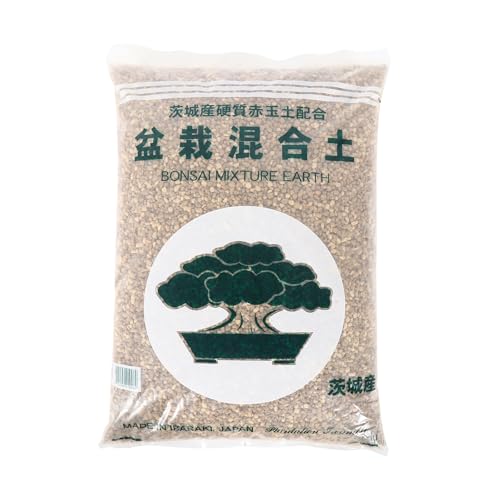
Traditional Japanese potting materials trusted by bonsai masters and plant enthusiasts worldwide. Mimics natural growing conditions, supporting healthy root development for bonsai, succulents, and more

🌱【Ready-to-use Pre-mix】: Simplify repotting your Bonsai and other plants with our premium, fast-draining Bonsai potting soil mix. It comes pre-mixed and sifted for your convenience.

You will receive 3 bags of soil per order
Managing Roots During Repotting
Managing the roots during repotting plays an essential role in the bonsai’s overall health. When undertaking this task, it’s important to anticipate major root pruning. Leaving some roots intact will guarantee stability and nutrient absorption in the new positioning. Additionally, adjusting the root structure to align with the new planting angle fosters safe adaptation and future growth. If unexpected root issues arise, consider alternative strategies to support a healthy change for the tree. Maintaining moisture in the upper soil layer is vital, as this aids new root growth where they are exposed. Finally, verify the pot has proper drainage to avoid water retention, which could damage the newly adjusted roots while they adapt to their fresh environment. A premium bonsai soil mix ensures excellent drainage and moisture retention, supporting the overall health and longevity of the bonsai.
Recommended Products

FEEDS UP TO 6 MONTHS: Miracle-Gro Potting Mix is a gardening soil for outdoor containers that feeds all types of potted plants, including flowers, vegetables, shrubs, annuals, and perennials for up to 6 months

NATURAL, ORGANIC INGREDIENTS: Made of 100% organic ingredients, this organic potting soil is free from synthetic fertilizers and chemicals. This planting soil gives your plants everything they need. Perfect for soil for indoor plants and outdoor potting soil.

Foxfarm most popular potting soil, Ocean Forest is a powerhouse blend of aged Forest products, sphagnum peat Moss, earthworm castings, bat guano, fish emulsion, and crab meal.
Techniques for Stabilizing Your Bonsai
Stabilizing a bonsai during its shift to a new potting angle is essential for its growth and health. Proper drainage at the bottom of the pot prevents water retention, which is vital for maintaining root health. During the adjustment phase, keep the upper soil layers moist to promote new root growth. When repositioning the bonsai, carefully arrange the roots to stabilize the tree, making sure that buried roots remain properly supported. Using a temporary half pot can also encourage root development in exposed areas. Throughout this process, it’s important to monitor the overall condition of the bonsai and adjust your stabilization techniques as needed to guarantee peak health and stability during and after the shift. To ensure optimal root health, use a well-draining soil mix composition that supports moisture retention and prevents root rot.
Engaging With the Bonsai Community for Insights
Building a strong foundation for bonsai care often involves connecting with others who share the same passion. Engaging with the bonsai community provides insights and practical advice based on various experiences. To participate, you can easily log in or register on online forums and social media groups. Here, members frequently share photos of their trees and seek feedback on angles and styles, enabling collaborative learning. Experienced growers offer specific techniques for front selection and root management, helping your bonsai to let it grow. Additionally, discussions highlight local climate variations that affect tree care. Battery-free designs of bonsai mechanical timers promote eco-friendliness and are often recommended within the community to support sustainable practices. Ultimately, a supportive environment fosters growth, where constructive critiques and encouragement enhance each member’s bonsai cultivation journey.
Documenting Your Progress and Adjustments
Documenting progress with a bonsai tree is essential for understanding its growth journey. Keeping a journal that includes photos and notes of each growth stage aids in recognizing successful techniques and pinpointing areas for improvement. Regularly noting changes in the tree’s angle, front selection, and health helps with informed decision-making for future adjustments. As the next step, observe and record the dynamics of branches and foliage to refine your styling approach. Engaging with the bonsai community allows for feedback on progress updates, which can spark new ideas. Additionally, maintaining a timeline of repotting and pruning activities enables you to see their effects on growth patterns, improving future care planning. Visual aids such as illustrated guides can enhance your understanding of bonsai techniques, providing a clearer picture of how to tackle various maintenance tasks effectively.
Frequently Asked Questions
What Is the Rule of 3 in Bonsai?
The Rule of 3 in bonsai represents a harmonious trinity, establishing aesthetic balance and visual hierarchy. By crafting groups of three elements, practitioners enhance their designs, creating dynamic compositions that invite admiration and contemplation.
How to Choose the Front of a Bonsai?
To choose the front of a bonsai, one must consider tree orientation and trunk thickness, highlighting the tree’s most striking features. A balanced view from multiple angles guarantees ideal visual appeal and harmony.
What Is the Golden Ratio for a Bonsai Tree?
The Golden Ratio for a bonsai tree promotes aesthetic proportions and design symmetry. Can any artist ignore such a timeless principle? By adhering to this ratio, bonsai enthusiasts create visually harmonious and balanced masterpieces from every angle.
How to Curve a Bonsai Tree?
To curve a bonsai tree, one must employ branch styling and stress techniques effectively. Gently wire branches, assess root structure, and guarantee patience during adaptation to promote healthy growth and an aesthetically pleasing shape.