As an Amazon Associate, we earn from qualifying purchases. Some links on this site are affiliate links at no extra cost to you. Our recommendations are based on thorough research and editorial judgment.


How to Thin Dense Foliage Without Weakening the Tree

To thin dense foliage without weakening a tree, focus on removing small branches, ideally 1-3 inches in diameter, from the outer edges. Aim to remove only 15-20% of live foliage, which helps maintain tree structure. Perform this work during the dormant season, like late winter, to minimize stress. Use the right tools, such as pruners and loppers, for safe cuts. Maintaining a good balance of branches supports healthy growth and prepares the tree for stronger seasons ahead.
Key Takeaways
- Remove 15-20% of live foliage for large trees and up to 25% for younger trees to maintain balance and health.
- Focus on trimming small branches (1-3 inches) from the outer edges to improve light penetration and air circulation.
- Perform crown cleaning by removing dead, diseased, or broken branches to enhance overall tree stability.
- Conduct thinning during the tree’s dormant period to minimize stress and enhance recovery.
- Use proper tools like pruners and loppers for efficient, clean cuts that support tree health.
Understanding the Importance of Thinning
Thinning dense foliage plays an essential role in maintaining the health and vigor of trees and plants. This practice enhances light penetration and air circulation within the canopy, supporting robust tree health while reducing the risk of diseases. When thinning large trees, it is vital to remove only 15-20% of live foliage, ensuring stability and longevity. For younger trees, up to 25% thinning may be acceptable. Careful crown thinning promotes good branch taper growth and maintains the tree’s overall shape. Furthermore, proper thinning reduces canopy weight, increasing the tree’s resilience to storms. Avoid excessive interior foliage removal, as it can lead to weak growth patterns, such as lion tailing, which detracts from the tree’s natural form. Regular pruning techniques are essential for maintaining the desired shape and promoting healthy growth patterns.
Best Practices for Selective Pruning

Effective selective pruning helps maintain the natural shape and health of trees while enhancing their overall structure. Focus on removing small branches, typically 1-3 inches in diameter, from the canopy’s outer edges. This approach balances branch distribution and encourages light and air penetration. Aim for the removal of 15-20% of live foliage for large trees and up to 25% for young trees. Regular crown cleaning involves clearing out dead, diseased, or broken branches, promoting tree health without disrupting the outer canopy shape. Employ pruning techniques that avoid excessive removal of interior foliage, as this helps maintain branch taper. Proper humidity control in bonsai propagation domes is critical to maintain a healthy environment for seedlings and young trees. Timing is crucial; perform selective pruning during the tree’s dormant period for the best recovery and overall results.
Recommended Products

【2-in-1 Versatility】From ground-level pruning to tall tree trimming, Prunarbo’s battery pruning shears with pole does it all. Attach the extendable pole (4.4–8.2 ft) to reach high branches without climbing or straining, and enjoy cleaner, faster cuts with total control.This long reach tree pruner makes heavy-duty gardening safer, easier, and twice as efficient — ideal for anyone who wants pro results with zero hassle
Active blade control

2-in-1 Versatile Design: This electric pole pruner features a dual-function design, working as a standalone electric pruning shear or attached to an extendable pole for high branch trimming. Ideal for backyard trees, tall hedges, and orchard maintenance, it covers both low and high pruning tasks, offering convenience, efficiency, and precise cuts in one tool
Techniques for Effective Canopy Thinning

When caring for trees, understanding the techniques for effective canopy thinning can greatly enhance their health and appearance. This process focuses on thinning by removing small branches, typically 1-3 inches in diameter, from the canopy’s outer edges. Performing cuts at an angle just outside the parent wood helps avoid damage to the main structure. It is crucial to limit foliage removal to 15-20% for large trees and up to 25% for younger ones to prevent stress. Additionally, removing only water spouts and dead branches from the interior maintains stability and avoids the lion tail shape. Regularly cleaning the canopy allows for a clearer view, enabling precise tree pruning methods that support a healthy tree while promoting light and air circulation. Monitoring plant health through regular observation and soil testing can help identify nutrient deficiencies, ensuring that the bonsai remains robust and lessens the need for extensive thinning.
Recommended Products
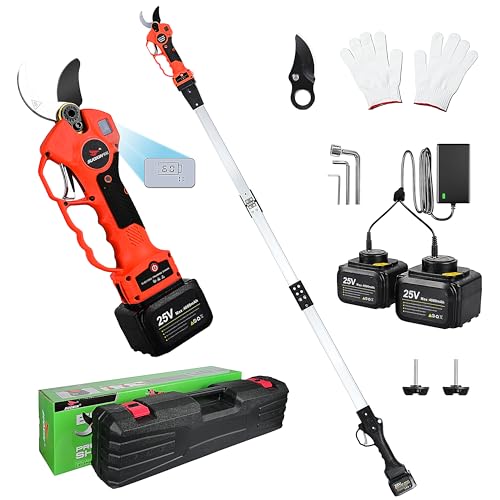
🔪 [SK5 Steel Blade – Sharp, Durable & Rust-Resistant] Crafted with premium SK5 steel, the blade resists rust and sap buildup. It delivers clean, smooth cuts through hardwood branches up to 1.6 inches (4cm), while remaining razor-sharp for delicate trimming tasks.

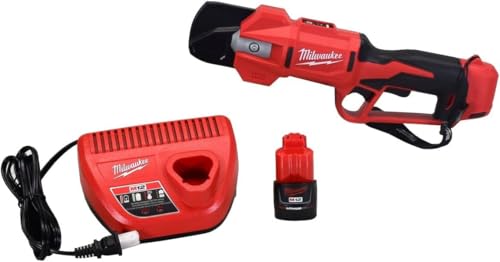
Milwaukee SHEARS PRUNING BRUSHLESS M12 2534-20

TaskStar 2-in-1 Electric Pruner: Effortlessly switch between handheld and pole mode, offering flexible pruning for a variety of tasks; Trim low shrubs with precision or extend the pole to easily reach high branches—one tool, limitless possibilities
Timing Your Thinning Efforts
Timing thinning efforts effectively can make a significant difference in how well a tree responds to maintenance. The perfect period for thinning practices is during the tree’s dormant stage, which usually occurs in late winter or early spring before new growth begins. This timing helps minimize stress and allows the tree to recover efficiently. Thinning while the tree is dormant also reduces disease risk, promoting stronger growth in the following season. Ensuring proper gauge selection is crucial when using bonsai copper wire during thinning to avoid stress on the bonsai branches. It is vital to avoid thinning during peak growth seasons like late spring or summer, as this can shock the tree and weaken its overall health. Regular monitoring of the tree’s condition between sessions is essential to determine suitable intervals for subsequent thinning, ensuring optimal tree health and vigor.
Tools for Safe and Efficient Pruning
Pruning tools play an essential role in maintaining trees with dense foliage. Pruners are ideal for removing small branches up to ¾ inch thick, ensuring clean cuts for delicate trimmings. Loppers excel at thinning denser canopies, effectively cutting branches up to 2 inches in diameter. For larger limbs, saws are recommended, as they provide clean cuts that promote quicker healing and minimize disease risk. Extendable pruners and saws allow reach of up to 16 feet, facilitating safe pruning of higher areas without ladders. Using the appropriate tools allows for effective tree trimming, improves light penetration and air circulation, and helps maintain structure while managing broken branches. Regular pruning during spring promotes healthy growth and maintains the shape of bonsai trees. An understanding of the trees guides selections for the best tools for safe and efficient pruning.
Recommended Products

3-section telescoping pole saw model that extends to 16 feet extended length including blade. Features Notch's aggressive yet smooth cutting 15.4" (390mm) Sentei blade with protective scabbard

HEAVY-DUTY 21FT PROFESSIONAL POLE SAW: Built for demanding cutting jobs, this 21FT extendable pole saw features a reinforced oval aluminum pole with a double locking system for maximum rigidity and stability at full extension. Designed to deliver strength, balance, and control when working at height, making it ideal for serious tree trimming and professional use.

Perfect pruner to help you reach those upper branches when landscaping
Maintaining Tree Health Post-Thinning
Monitoring the health of a tree after thinning is important for its continued well-being. To preserve tree health, only 15-20% of live foliage should be removed to encourage regeneration. Regularly clean and prune any dead branches, as this reduces disease risk and supports a healthy tree crown. Observing for vigorous growth of watersprouts on interior limbs can indicate over-thinning, which may require the application of proper pruning techniques. Additionally, consistent strategic thinning enhances light penetration and air circulation within the canopy, bolstering healthy foliage while maintaining structural integrity. Consulting with an arborist after thinning can offer tailored advice, ensuring the tree thrives and retains its natural shape, minimizing stress on the plant. Illustrated guides, such as Bonsai pruning guides, can provide valuable visual aids and clear instructions that enhance comprehension and confidence in pruning techniques.
Frequently Asked Questions
How to Thin a Large Tree?
To thin a large tree, employ tree pruning techniques and safe cutting practices, focusing on outer branches. Utilize appropriate tools for thinning and seek professional arborist advice, considering seasonal trimming benefits and tree health indicators for long-term care.
Can You Cut a Big Root Without Killing the Tree?
A large root may be cut with care, preserving tree health. Proper root pruning enhances soil aeration, boosting absorption efficiency. Yet, significant removal risks stability, demanding attention to growth patterns and wound closure to protect the tree.
When Should You Thin Out Trees?
Thinning should occur during the dormant season, ideally mid to late winter, after a health assessment. This timing, combined with appropriate pruning techniques and professional advice, guarantees peak tree health and mitigates sap flow disruptions in various tree species.
How to Slow Down the Growth of a Tree?
To slow down a tree’s growth rate, implement appropriate pruning techniques during dormant seasons, manage nutrients, consider sunlight exposure, and utilize natural barriers. Additionally, assess environmental factors and soil additives based on specific tree species needs.


