As an Amazon Associate, we earn from qualifying purchases. Some links on this site are affiliate links at no extra cost to you. Our recommendations are based on thorough research and editorial judgment.

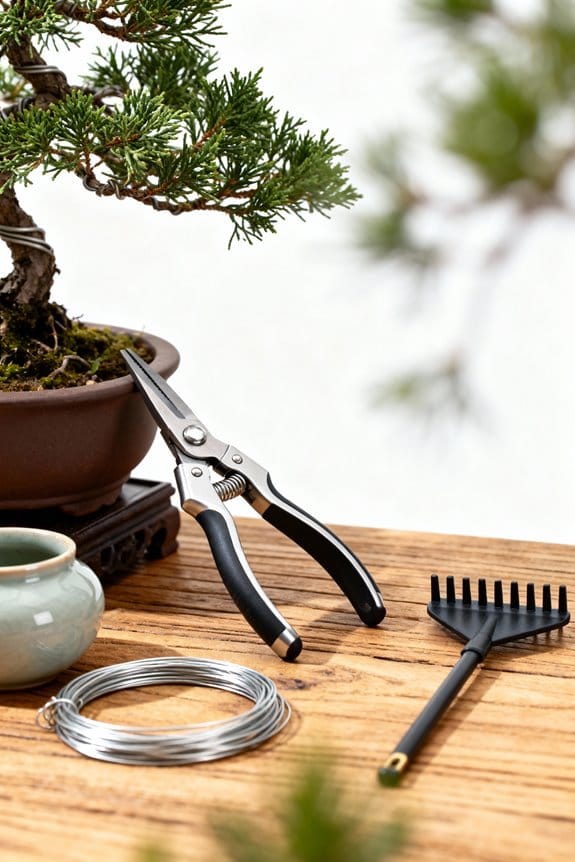
Beginner Care Guide for Juniper Bonsai Trees

Juniper bonsai trees thrive outdoors and need at least four hours of direct sunlight each day. These resilient plants prefer slightly dry soil between watering. Recommended feeding includes monthly organic pellets during the growing season. Prune from spring to late summer to encourage healthy growth, and wire branches gently for shaping. Repot every two years in early spring to support root health. Starting with these basics sets a strong foundation for continued learning and success.
Key Takeaways
- Place Juniper bonsai trees outdoors in bright sunlight, ensuring at least four hours of direct sunlight daily for optimal growth.
- Water when the soil surface is slightly dry, adjusting frequency based on temperature—daily at 25°C, and up to three times daily over 35°C.
- Feed with nitrogen-rich organic fertilizer monthly during the growing season, avoiding fertilization in winter when growth slows.
- Prune from spring to late summer to encourage compact foliage, focusing on new growth and avoiding excessive leaf removal.
- Repot every two years in early spring using suitable soil to promote healthy root growth and overall tree health.
Understanding Juniper Bonsai Trees
What makes juniper bonsai trees a popular choice among enthusiasts? These trees belong to the cypress family and thrive outdoors, requiring bright sunlight for ideal growth. There are over 50 species of junipers, with the Japanese Garden Juniper and Chinese Juniper being commonly featured in bonsai care. They exhibit unique foliage characteristics, with either scale-like or needle-like leaves. Popular juniper bonsai are admired for their vibrant colors and textures, making them visually striking. Their resilience allows them to adapt well to various weather conditions, although they are not suited for indoor living. This versatility makes junipers an excellent choice for beginners enthusiastic to learn about bonsai tree care while enjoying a stunning landscape addition. Additionally, bonsai ficus trees are known for their low-maintenance needs, which makes them another suitable option for beginners looking to enhance indoor spaces.
Importance of Outdoor Placement
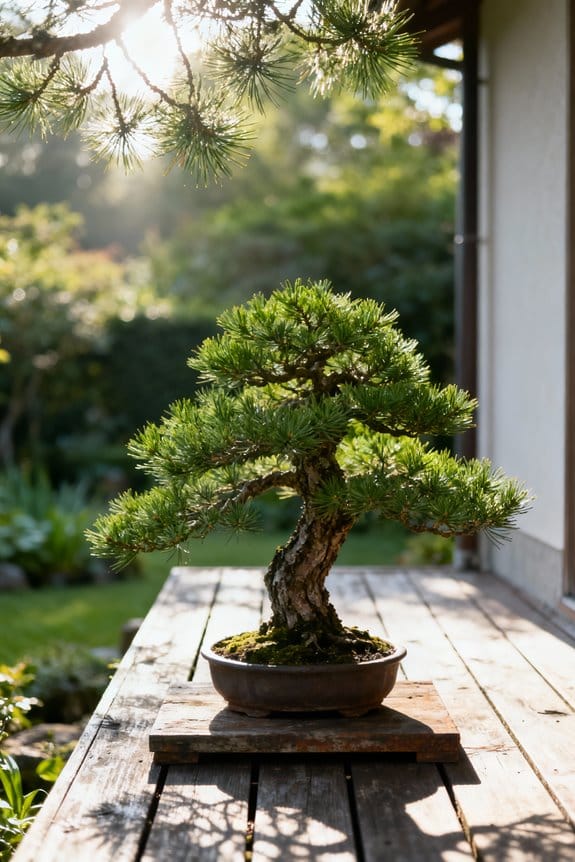
Outdoor placement plays an essential role in the health and growth of juniper bonsai trees. These trees thrive in bright locations, requiring at least four hours of direct sunlight each day. This sunlight is vital for successful photosynthesis and overall development. Unlike many houseplants, juniper bonsai trees cannot adapt to indoor environments, as they need natural elements to flourish. For ideal outdoor placement, make sure that they are protected from extreme cold, especially when temperatures fall below 15°F (-10°C). Providing winter shelter or insulation may be necessary to promote survival. Additionally, regularly check for pests during the winter months, as healthy junipers placed outdoors are generally resistant to infestations, helping maintain their resilience for years to come. Furthermore, regular pruning and monitoring are essential to ensure that your juniper bonsai maintains its health and aesthetic, making it a rewarding experience for any bonsai enthusiast.
Recommended Products


Green Mound Juniper Bonsai: A bonsai favorite, featuring a flowing trunk with curved and winding branches bursting with lush greenery.

Japanese Juniper Bonsai Tree is approximately 10 years old, planted in 10 inch ceramic container, color and style vary
Optimal Watering Practices
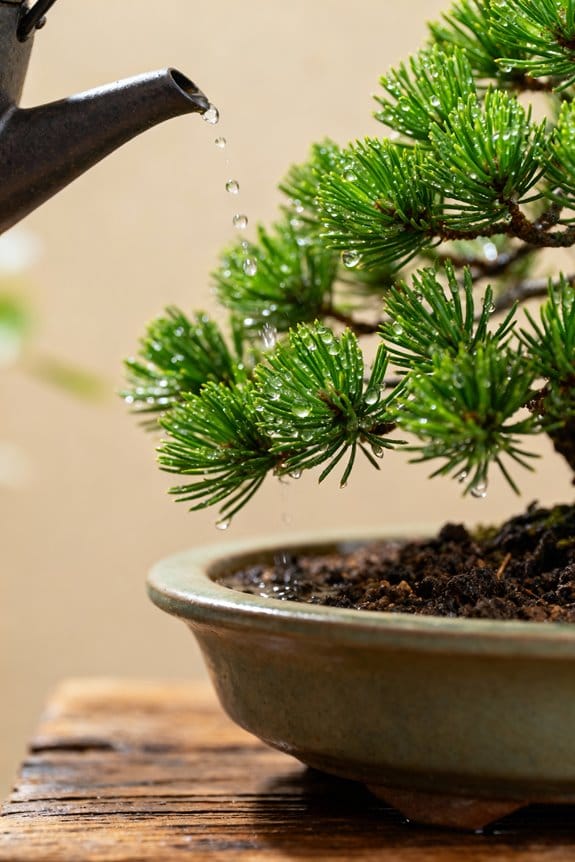
Maintaining appropriate watering practices is crucial for the health of juniper bonsai trees. These trees prefer a schedule that allows the soil to dry slightly between waterings. During spring, water daily at 25°C, increase to twice daily at 30°C, and up to three times daily when temperatures exceed 35°C in summer. It’s important to monitor soil moisture closely; the soil should remain moderately moist. Always check the surface layer before watering again, waiting until it feels dry to the touch. Additionally, regular misting helps maintain humidity around the Juniper bonsai tree, especially during dry spells or after repotting. It is beneficial to use eco-friendly materials like soy wax when selecting bonsai candles to complement the aesthetic and safety of your bonsai environment. By following these ideal watering practices, one can guarantee the proper care for a juniper, promoting healthy growth and energy.
Recommended Products

Chrome plated

Beat The Summer Heat: 27 exclusive precision brass nozzles deliver a fine, continuous mist that absorbs surrounding heat, effectively lower the surrounding temperature by up to 20°F. Ideal for cooling outdoor spaces so your family can comfortably enjoy sunny days outside

FAST CHARGING & POWERFUL BATTERY: This powerful battery sprayer features a 2000mAh battery for long-lasting use and smooth operation. With fast charging, it’s always ready for watering, making plant care effortless without frequent recharging.
Feeding Your Juniper Bonsai
Feeding a Juniper bonsai plays a significant role in its overall health and growth. For ideal results, beginners should focus on feeding their juniper bonsai with organic fertilizer pellets monthly or liquid fertilizer every week during the growing season. Using a nitrogen-rich fertilizer in the spring promotes robust foliage development and strengthens the tree’s overall health. However, it is crucial to avoid fertilizing during the winter months, as Juniper growth generally slows down, requiring less nutrition. Additionally, always monitor how your tree responds to fertilization, especially the Green Mound Juniper variety, and adjust the frequency or amount as needed. By following these steps, beginners can guarantee their bonsai thrives throughout the year. Emphasizing the importance of balance and harmony in your bonsai care routine can enhance the overall health and visual appeal of your tree.
Recommended Products

🌳 COMPACT & CONTROLLED GROWTH – Specially designed 6-6-6 formula encourages lush foliage and dense branching without overgrowth, preserving your bonsai’s miniature shape and balance.

🌱【Ready-to-use Pre-mix】: Simplify repotting your Bonsai and other plants with our premium, fast-draining Bonsai potting soil mix. It comes pre-mixed and sifted for your convenience.

You will receive 3 bags of soil per order
Pruning and Maintenance Techniques
Pruning juniper bonsai trees is an important task that guarantees they maintain their desired shape and health. Begin pruning in the growing season, from spring to late summer, by pinching back new growth. This technique encourages compact foliage pads and helps maintain an aesthetic shape. Thinning dense foliage pads is essential for the tree’s health, as it improves air circulation and prevents pest problems. It is crucial to avoid aggressive pruning that removes too many leaves at once. Remember, leaves must remain for the tree to thrive. Regular care also involves repotting every two years in early spring, using a suitable soil mix to confirm fresh nutrients and strong root development for these beautiful juniper species. Incorporating a well-draining mix in the soil ensures optimal water management and prevents root rot, crucial for the health of conifer species like junipers.
Recommended Products

CONTENTS Comes with 30 Branch Bender Tools

JAPANESE BONSAI TOOL SET WITH BAG: Made in Japan authentic professional bonsai tool set. These tools can be used for various kinds of bonsai work such as pruning, cutting, daily trimming, wire bending and cutting, jin making, moss and soil cleaning, and repotting work. ALL items are produced and finished by a blacksmith and craftsman in Nigata Tsubame Sanjo, a city of Japanese leading cutlery town.

Powerful 2.2" Cutting Capacity: Featuring a large 2.2-inch cutting diameter, SEESII electric pruning shears can easily handle thick branches on trees, shrubs, and garden plants that standard pruners struggle with. Ideal for yard maintenance, orchard pruning, and landscaping tasks, delivering clean, powerful cuts that make trimming faster and more efficient
Wiring for Shaping and Style
Wiring juniper bonsai trees opens up exciting possibilities for shaping and style. This essential technique allows for precise control over branch placement and orientation. To start wiring, use aluminum or copper wire, choosing a gauge about one-third the branch thickness for effective support. Wrap the wire around the branch at a 45-degree angle, spacing the loops evenly. Avoid covering the entire length, as this enables necessary growth. The ideal time for wiring is during the growing season, which runs from spring to late summer. During this time, branches are more pliable and hold their new positions better. Regularly monitor wired branches to guarantee the wire does not bite into the bark, as this can cause damage if not addressed promptly. For beginners, aluminum bonsai wire is often recommended due to its lightweight and non-corrosive properties, making it easier to handle during the shaping process.
Recommended Products

Optimal Full Spectrum: Kihung 2ft led grow light has two rows of high quality led grow light strips output 400nm-800nm, infinitely close to sunlight, to improve growth performance for all growing stages of the plants(Germination to flowering). Our t8 grow lights 2ft also have Ra95+ and 3000K color which is eye-friendly, give you and your plants a warm and comfortable environment


Aluminum wire is non-corrosive
Repotting Guidelines for Longevity
Repotting is an essential practice for the longevity of juniper bonsai trees, helping to promote healthy root growth and overall liveliness. Typically, junipers should be repotted every two years in early spring, especially when the tree is around five years old. A basic or slightly draining soil mix will provide the right balance of moisture retention and aeration. When repotting, leave some foliage on the branches to reduce stress. After this process, it’s crucial to mist the foliage regularly to maintain humidity and assist recovery. Junipers can be bent, allowing for stylistic shaping. Be sure to water twice a day, especially during hot months. Finally, monitor the tree closely for any signs of stress or pests post-repotting. For optimal growth, consider using a slow-release fertilizer to provide consistent nutrients over time.
Frequently Asked Questions
How to Care for Juniper Bonsai for Beginners?
To care for juniper bonsai, beginners should utilize effective pruning techniques, choose appropriate soil types, and implement vigilant pest management. Regular attention to these aspects guarantees healthy growth and vibrant foliage throughout the seasons.
What Is the Rule of 3 in Bonsai?
The Rule of 3 in bonsai invites harmony through triangular design, akin to balancing three rocks. Effective pruning techniques, proper soil requirements, and diligent pest management enhance this aesthetic, cultivating an enchanting and enduring miniature tree.
Is Juniper a Good Beginner Bonsai?
Juniper types are an excellent choice for beginner bonsai enthusiasts. Their adaptability facilitates various bonsai designs, while tree pruning promotes health and aesthetics, making them a favorable option for those starting in bonsai cultivation.
How Often Should I Water a Juniper Bonsai?
Watering frequency for a juniper bonsai dances with the seasons. Ensuring proper soil moisture and container drainage, one should water daily in spring, adjusting as temperature rises, while allowing the topsoil to dry slightly between sessions.


