As an Amazon Associate, we earn from qualifying purchases. Some links on this site are affiliate links at no extra cost to you. Our recommendations are based on thorough research and editorial judgment.

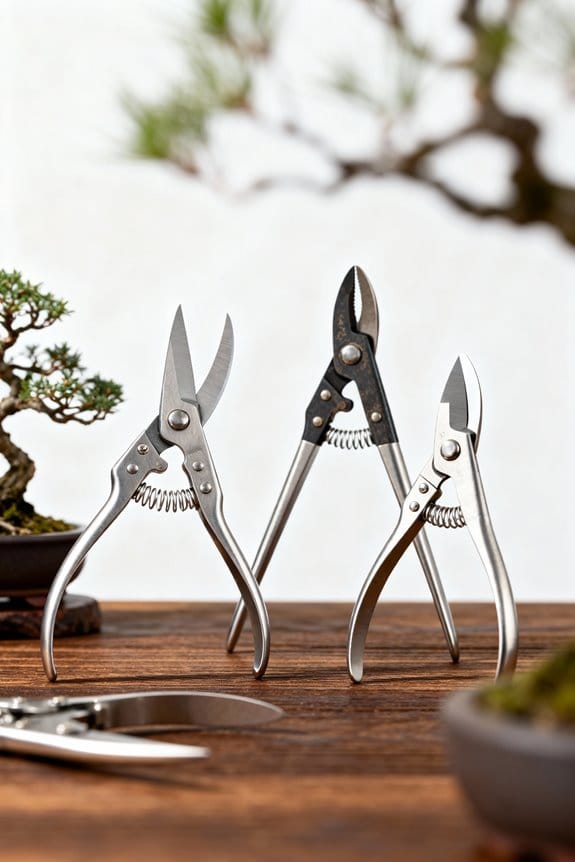
When Is the Right Time of Year to Prune Different Bonsai Species

The right time to prune bonsai species varies according to their growth cycles. For deciduous trees, prune in late winter or early spring to encourage new growth. Conifers benefit from early spring pruning. Flowering species should be pruned right after blooming. In summer, trim new growth to maintain shape, while autumn pruning prepares trees for winter dormancy. Finally, winter pruning focuses on removing dead branches. Understanding these cycles is essential for effective pruning as you care for your bonsai.
Key Takeaways
- Deciduous bonsai, like trident maples and elms, should be pruned in late winter or early spring to enhance growth.
- Conifer species benefit from early spring pruning while they are actively growing.
- Flowering bonsai should be pruned immediately after blooming for optimal energy distribution.
- Summer pruning, between June and mid-July, helps maintain shape and vigor by trimming new growth.
- Autumn pruning prepares bonsai for winter by trimming back new growth and removing dead branches before dormancy.
Understanding the Growth Cycles of Bonsai Species
Understanding the growth cycles of various bonsai species is vital for successful pruning. Different species exhibit distinct growth patterns, particularly deciduous trees that enter dormancy in winter. Pruning these trees late in winter or early spring is ideal, as it promotes healthy growth. For example, trident maples and elms benefit from pruning after leaf drop in autumn, allowing the tree to store energy for rejuvenation. Conifer species, on the other hand, thrive with early spring pruning when they are actively growing. Additionally, flowering species should be pruned immediately after blooming to encourage strong subsequent growth. Each species responds uniquely to environmental changes, making it important to understand their specific cycles for effective pruning strategies. It is also essential to utilize pruning techniques that maintain the desired shape and promote healthy growth patterns.
Spring Pruning: Encouraging New Growth
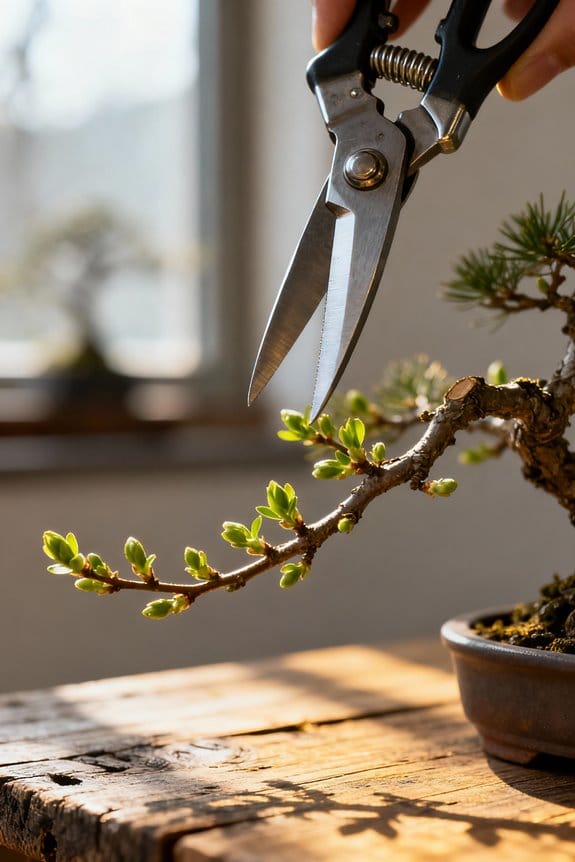
Spring bursts forth as an excellent time for bonsai enthusiasts to engage in pruning, effectively stimulating new growth after winter’s dormancy. This season encourages trees to awaken, making it ideal for applying selective pruning techniques. By carefully cutting back branches, one can maintain a balanced canopy and redirect energy towards vigorous new buds. Early spring is particularly beneficial for species like Japanese maples, where pinching buds fosters denser foliage. Additionally, removing dead or damaged wood efficiently distributes resources, enhancing the overall health of the bonsai. This focused approach not only shapes the tree but also promotes backbudding, ensuring the bonsai remains healthy and visually appealing throughout the growing season. For those using stainless steel tools, the durability and resistance to rust make them an excellent choice for precise cuts and long-term use.
Summer Pruning: Maintaining Shape and Vigor

As spring pruning sets the stage for new growth, summer pruning plays a pivotal role in maintaining the bonsai’s shape and vigor. This essential practice involves regularly pinching or trimming new growth between June and mid-July, the ideal time for promoting balanced silhouette and vigorous growth. By controlling tree vigors, such as excessive growth, gardeners can prevent weak branches and an unkempt appearance. Careful summer pruning encourages backbudding, allowing new shoots to develop where desired. It’s vital to consistently monitor the tree’s health, ensuring pruning occurs only when the tree shows signs of vigor. This careful approach mitigates stress and supports the overall health of the bonsai, contributing to an attractive and well-maintained specimen. Using bonsai branch cutters with ergonomic and user-friendly designs can also reduce fatigue and enhance precision during pruning tasks.
Autumn Pruning: Preparing for Dormancy
Autumn pruning serves as a vital step in preparing bonsai trees for their winter dormancy. During this phase, gardeners should focus on trimming back new growth and removing dead or damaged branches. This process helps to redirect the tree’s energy toward storing essential nutrients for the upcoming spring. Removing excessive foliage stabilizes the tree, reducing the risk of wind damage and snow load that can cause branch breakage. Timing is essential; autumn pruning should align with the period of leaf drop, allowing trees to heal effectively and optimize energy distribution. Proper planning guarantees that the bonsai maintains its aesthetic shape while consolidating resources before entering dormancy, ultimately supporting a healthier tree for future growth. For optimal results, using specialized tools like Gonicc Professional Scissors ensures precise trimming and enhances the overall care routine of bonsai trees.
Winter Pruning: Care During Dormancy
While caring for bonsai trees during their winter dormancy, winter pruning becomes an essential practice for maintaining their health and vigor. In this period, trees are dormant, which means they experience less energy production. This helps minimize sap bleeding when cuts are made. During winter pruning, it is vital to focus on removing any dead or diseased branches. This not only prevents decay but also prepares the tree for the upcoming growth season. Additionally, pruning during dormancy allows trees to compartmentalize wounds effectively, promoting better healing in spring. However, care should be taken not to over-prune, as harsh cuts may weaken the tree’s health and leave it vulnerable to the severe cold conditions of winter. Visual learning aids can enhance understanding of bonsai pruning techniques, making it easier for caretakers to follow proper maintenance practices.
Best Practices for Year-Round Pruning
Maintaining the health of bonsai trees requires careful attention throughout the year, not just during winter. Best practices for bonsai pruning include adapting techniques to seasonal changes. Early spring is ideal for invigorating new growth, so focus on maintenance pruning during this time. Inspect bonsai every 1-2 weeks, looking for signs of stress or pests. In summer, pinch new growth to control vigor and promote a balanced shape. Winter pruning should be reserved for removing dead or diseased branches. Utilize the right tools, such as concave cutters and twig shears, to make clean cuts. Avoid over-pruning, as excessive cutting can harm the tree’s health by weakening its immune system. Regular care guarantees a thriving bonsai garden. Organic soil mixes are preferred by many bonsai enthusiasts for sustainable gardening and providing long-term nutrients.
Frequently Asked Questions
What Time of Year to Prune Bonsai?
The seasons dance as bonsai thrive, reflecting nature’s rhythm. Pruning aligns with growth cycle considerations, employing seasonal pruning techniques. Adhering to species-specific guidelines guarantees each bonsai flourishes, harmonizing artistry and nature’s delicate balance.
What Is the Rule of 3 in Bonsai?
The rule of 3 in bonsai is a pruning technique that promotes balanced bonsai growth by cutting to a bud three nodes from the tip, enhancing seasonal care and allowing for healthier, more harmonious shape development.
Can You Prune Bonsai in October?
Yes, October pruning techniques allow for careful maintenance of bonsai during fall. Seasonal bonsai care focuses on removing damaged branches while promoting root growth, following precise fall maintenance tips to minimize stress and prepare trees for winter.
What to Do With Bonsai in September?
In September, bonsai require meticulous care. Fall care tips include pruning for winter preparation, applying low nitrogen fertilizers, inspecting for pests, and pinching new growth while adjusting to seasonal changes, ensuring healthy bonsai through dormancy.


