As an Amazon Associate, we earn from qualifying purchases. Some links on this site are affiliate links at no extra cost to you. Our recommendations are based on thorough research and editorial judgment.

How Much Root Pruning Is Safe During Repotting

When repotting a plant, it’s safe to prune no more than one-third of the root mass. This helps reduce shock while encouraging healthy regrowth. Look for signs of overcrowding, such as roots emerging from drainage holes. Start by inspecting the root ball, and remove wilted or decayed roots first. After pruning, make sure you water the plant thoroughly to support new growth. For effective root management, understanding the full process can improve your gardening skills considerably.
Key Takeaways
- Remove no more than one-third of the root mass during pruning to minimize shock to the plant.
- Focus on cutting wilted or decayed roots while preserving healthy ones for stability.
- Assess the root system for signs of overcrowding or decay before deciding how much to prune.
- Thoroughly water the plant after pruning to support hydration and encourage new root growth.
- Consult experienced growers for specific pruning needs based on the plant variety for optimal results.
Understanding Root Pruning
Root pruning is an important technique in plant care, especially during repotting. This process involves carefully trimming back a plant’s roots to manage their growth. If a plant becomes root bound, it’s time to think about root pruning. When performing this task, it is vital to avoid cutting more than one-third of the root mass. Over-pruning can shock the plant and hinder recovery. Additionally, removing any decaying or damaged roots during repotting promotes overall health and encourages the growth of new, healthier roots. Spring is the ideal time for root pruning, as plants are preparing for new growth. Slow-release fertilizers, which provide consistent nutrition and reduce application frequency, can help support the plant’s recovery and growth after root pruning. As a result, timing and technique play significant roles in ensuring a successful repotting experience.
Signs of a Root Bound Plant

Identifying a root bound plant is vital for maintaining its health and vigor. Key signs include roots growing out of the drainage holes, indicating that the plant has outgrown its pot. Additionally, if the pot is mainly filled with roots rather than soil, this may signify root binding, leading to insufficient nutrient and moisture absorption. Another common characteristic is compact, circling roots, which can choke the plant and hinder growth. Symptoms like stunted growth, yellowing leaves, and poor water retention further suggest that a plant may be root bound. Regularly monitoring the root system during repotting helps detect these issues early, so you can trim the roots as needed to guarantee the plant remains healthy and thriving. It is important to use fresh, well-draining soil to promote root health during the repotting process.
Benefits of Root Pruning
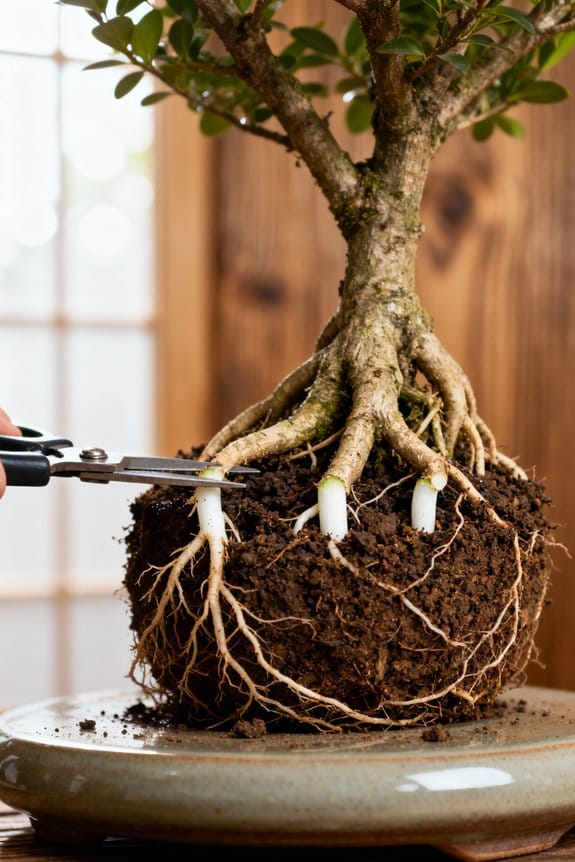
Understanding the signs of a root bound plant sets the stage for exploring the benefits of root pruning. This practice considerably reduces stress on plants by alleviating the overcrowding of roots. As a result, root pruning leads to better nutrient uptake and overall plant health. In addition, trimming decaying roots stimulates the development of new, healthier roots that support more vigorous growth. This technique is especially beneficial for container plants and bonsai, promoting a more balanced root system. Moreover, regular root pruning can extend the lifespan of plants by preventing root-bound conditions, which often result in nutrient deficiencies. By practicing root pruning every 2–3 years, gardeners can enhance their plants’ health while reducing the need for frequent repotting. Illustrated guides can provide visual aids that enhance understanding of bonsai techniques, which can be beneficial during the root pruning process.
When to Prune Roots
When is the right time to prune roots for ideal plant health? The best time to prune roots is during spring, aligning with the plant’s natural growth cycle. This timing minimizes shock and promotes recovery. Signs that indicate when to prune roots include roots growing out of drainage holes or an excessive amount of roots crowding the soil. It’s important to remember that no more than one-third of the total root mass should be removed during this process to encourage healthy regrowth. Post-pruning, thoroughly watering the plant guarantees that it remains hydrated and supports new root growth. Avoid root pruning during winter dormancy, as this can increase the risk of shock to the plant. To further enhance your bonsai skills, consider enrolling in a Bonsai Master Class, which offers a mix of basic and advanced knowledge for learners at all levels.
Recommended Products

CONTENTS Comes with 30 Root Cutter Tools

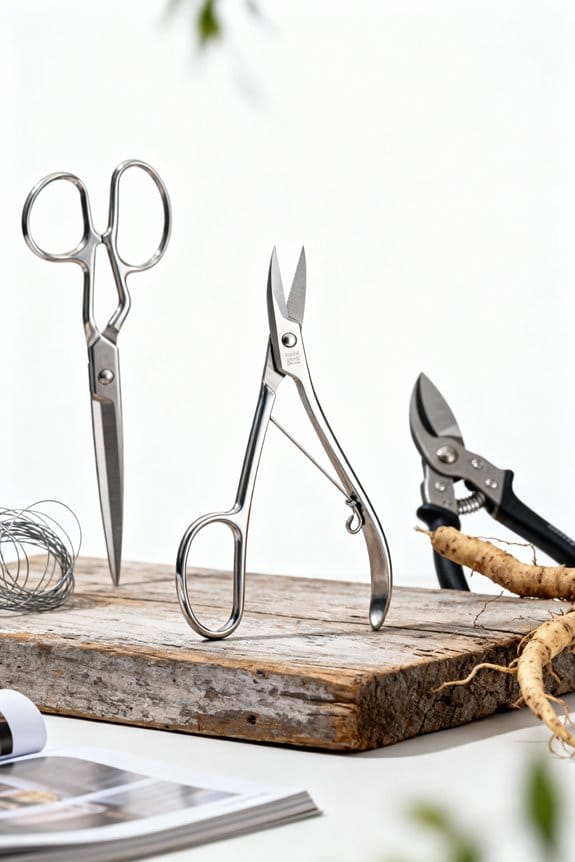
HARDENED STAINLESS STEEL BLADES: Designed with straight sharp blades for precision snips and cuts, these gardening scissors are great for pruning fruit trees, bonsai, and thorny bushes. Pruning shears are durable, sharp, and come with an easy safety lock for storage.
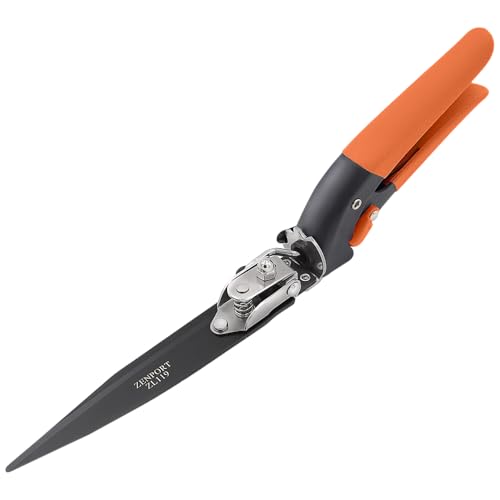
Adjustable heavy duty landscape grass shears
Preparation for Root Pruning
Preparation for root pruning begins with gathering the right tools. Essential implements include a pruning saw, pruning snips, trowel, and fresh potting mix. With these tools on hand, attention turns to the roots. Before cutting, inspect the root ball for decaying or rotten roots, focusing on removing only these unhealthy portions. It’s vital to maintain a strong root structure for the plant’s stability. Gently loosen the soil around the roots, making it easier to access them and reducing potential damage. Timing also matters; spring is often the best season for root pruning, as it encourages recovery. After pruning, consider moving the plant to a larger pot to provide ample space for healthy regrowth. Ensuring excellent moisture control in the soil is crucial to prevent root rot after repotting.
Recommended Products

Outperforms Standard Blades - Diablo's Bi-Metal Reciprocating Saw Blades for Nail Embedded Wood feature bi-metal technology that delivers up to 5x improved blade life than standard options.

12-Pack, For pruning root systems and cutting drywall/sheet rock, 5. 9-Inch blade

CONTENTS Comes with 30 Knob Cutters
Step-by-Step Root Pruning Process
Begin the root pruning process by carefully removing the plant from its pot, ensuring minimal disruption to the root ball. Start by cutting off any roots that are growing through the drainage holes. Next, gently loosen the soil and roots around the root ball to access the root mass without causing damage. The process of cutting should involve trimming ½ to 1 inch off the bottom roots and slicing off side roots while preserving the tap roots for stability. It is essential to limit total root pruning to no more than one-third of the root mass. After pruning, replant the plant in fresh potting mix, ensuring space for the pruned roots to regrow effectively. A quality gel can be applied to the cut roots to promote rapid root development and protect them during the regrowth phase.
Recommended Products

Package Includes- 1 Gallon Clonex Rooting Gel, and 1x Trimming Scissors

HIGH-PERFORMANCE ROOTING GEL - Clonex Rooting Gel is a water-based formula with the ideal level of IBA. Trusted by growers, it promotes root initiation & EFFECTIVE development in plant cuttings.

Made for Advanced Root Development – Formulated to support early root formation and long-term root strength.
Repotting After Root Pruning
After completing the root pruning process, the next step focuses on repotting the plant to promote healthy regrowth. It is advisable to limit root removal to no more than one-third of the root mass. Spring is the best time for this process, helping to reduce transplant shock. Begin by placing fresh potting mix at the bottom of the pot, taking care not to damage any remaining roots. Gently position the plant in the pot, guaranteeing it is stable. After repotting, thoroughly water the plant to aid in hydration and recovery. Pay attention to soil moisture levels regularly, and confirm adequate drainage to support the root system’s healing, promoting overall plant health effectively. Bonsai gardening kits often include educational resources that can provide guidance on proper repotting techniques.
Recommended Products

HOW TO USE: To use this plant soil for potting, fill a container about 1/3 full with potting mix, place your plant in the soil, and fill the rest of the pot, pressing lightly
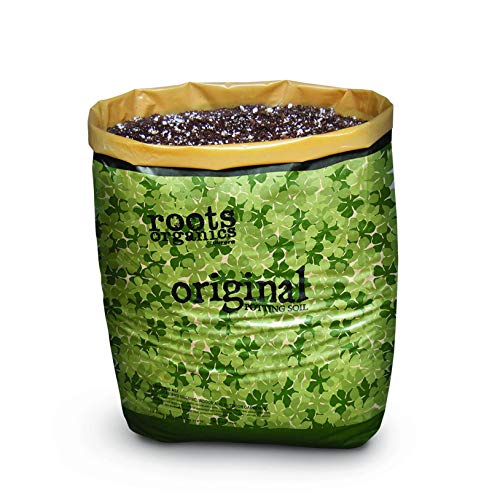
10 GALLON POTTING SOIL: 10 pack of 10 gallon (1.5 cu Ft) of Roots Organics Coco-Fiber Original Potting Soil for your hungry plants

NATURAL, ORGANIC INGREDIENTS: Made of 100% organic ingredients, this organic potting soil is free from synthetic fertilizers and chemicals. This planting soil gives your plants everything they need. Perfect for soil for indoor plants and outdoor potting soil.
Soil Considerations for Repotting
Choosing the right soil mix is crucial for successful repotting. A high-quality potting mix tailored to the plant type greatly impacts soil quality and overall root health. Many plants, especially those with roots circling the pot, benefit from a soil blend that emphasizes good drainage. Adding perlite at a ratio of 2 parts perlite to 5 parts soil can enhance aeration, further promoting healthy roots. Additionally, ensuring that the soil is rich in organic matter will improve nutrient availability, fostering liveliness during recovery. A nutrient-rich mix promotes bonsai growth and health, enhancing environmental conditions for root health. After repotting, be sure to monitor soil moisture levels and adjust watering practices. This helps create a supportive environment, encouraging root healing and growth after the stress of repotting.
Recommended Products
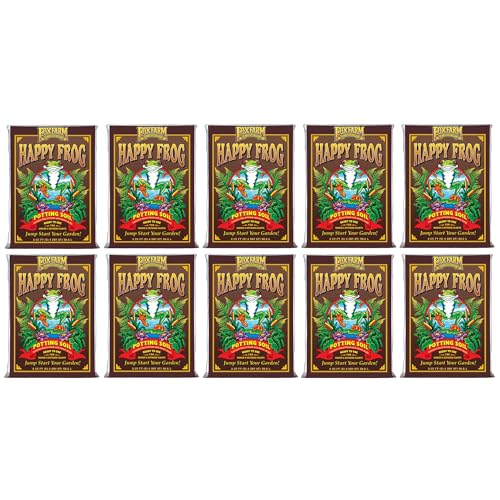
You will receive (10) 2-cubic foot bags of potting soil per purchase.

You will receive (10) 1.5-cubic foot bags of potting soil per purchase.

You will receive (6) 2-cubic foot bags per purchase.
Common Concerns and Tips for Beginners
When faced with the task of repotting, what should beginners keep in mind to guarantee a smooth process? First, they should recognize their plants may be root bound, meaning the roots have grown tightly within the pot. When pruning, beginners should only remove about one-third of the root mass to minimize shock. Before making cuts, assess the plants’ roots, focusing on eliminating wilted or decayed ones while keeping healthy roots intact. Gently untangling roots can often prevent unnecessary damage. Additionally, observing the plant’s overall condition reveals stress signs, guiding prudent pruning choices. Seeking advice from experienced growers can provide valuable insights into effective techniques, ensuring a healthier plant and a successful repotting experience. Remember that repotting frequency ranges from every 1 to 3 years, depending on the bonsai variety, to ensure optimal growth and root health.
Frequently Asked Questions
Is It Okay to Trim Plant Roots When Repotting?
Trimming tends to thrive, especially for rootbound plants. Careful cuts can promote root health, but moderation matters; removing too much risks damaging growth potential. Thus, cautious clipping guarantees plants flourish post-repotting with revived vigor and stability.
What Are Root Pruning Guidelines?
Root pruning guidelines emphasize maintaining root health by removing up to one-third of root mass. Effective pruning techniques involve cutting damaged roots while preserving healthy ones, ensuring proper care thereafter to promote regrowth and stability.
What Should You Not Do When Repotting?
Studies indicate that nearly 50% of novice gardeners make common mistakes when repotting. Focusing on root health is essential; they should avoid excessive root cutting, using overly large pots, and neglecting to inspect for rot.
How Long Should Cutting Roots Be Before Potting?
To promote root health, cutting roots to a size of ½ to 1 inch prior to potting is recommended. Maintaining appropriate root size fosters stability and encourages the development of fine feeder roots near the trunk.


