As an Amazon Associate, we earn from qualifying purchases. Some links on this site are affiliate links at no extra cost to you. Our recommendations are based on thorough research and editorial judgment.

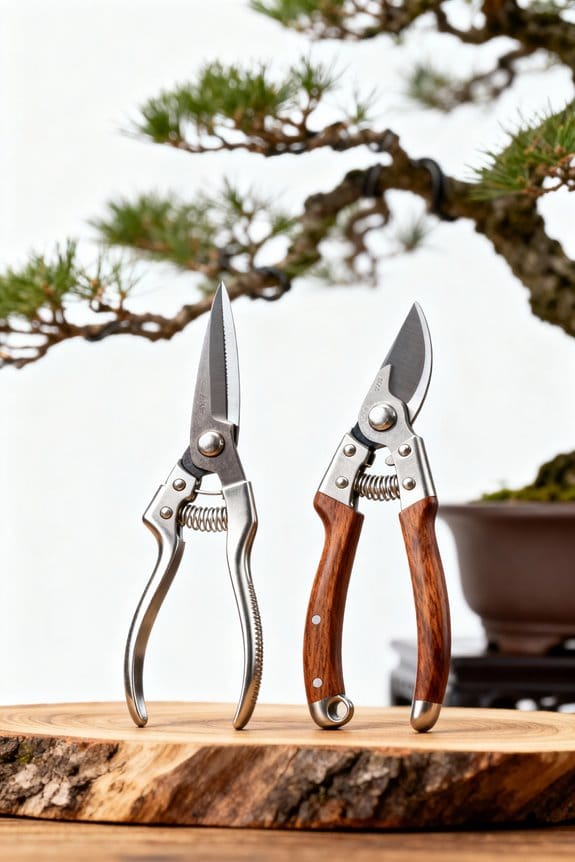
How to Prune Bonsai for Ramification and Fine Branching

To prune bonsai for ramification and fine branching, time your efforts for late spring. Focus on maintenance pruning two to four times a year. Use sharp tools, like twig shears, for clean cuts and to prevent damage. Pinch new growth before shoots harden, encouraging dense foliage. Remove larger, unbalanced branches to maintain tree shape. Guarantee enough healthy buds remain for recovery. Monitoring branch strength helps balance growth. This approach leads to beautiful, well-structured bonsai. More strategies await to enhance your skills.
Key Takeaways
- Regular maintenance pruning two to four times a year encourages even growth and enhances branch development in bonsai.
- Pinching new growth before it hardens interrupts growth hormones, promoting denser foliage and fine ramification.
- Structural pruning should be performed in early spring or late autumn to shape the tree and maintain balance.
- Leave healthy buds after pruning to support recovery and fine branching development while maintaining foliage balance.
- Choosing resilient and beginner-friendly species eases management and improves the success of achieving optimal ramification.
Understanding Tree Growth Dynamics
Understanding tree growth dynamics is vital for effective bonsai pruning. A healthy tree exhibits apical dominance, where the main stem grows stronger at the expense of lower branches. This growth pattern can lead to a less balanced tree. Pruning decisions should target the top and outer branches, helping promote even growth throughout the structure. Limiting to one pruning method, either maintenance or structural, per season is essential in managing the tree’s density effectively. Additionally, recognizing the seasonal energy states of the tree informs ideal timing for these techniques. The pinching process encourages new growth by stimulating interior buds, which prevents elongation and fosters finer branching as the tree develops. Proper understanding benefits the overall aesthetic and health of the bonsai. Using specialized tools like Bonsai Concave Cutter ensures clean cuts that promote healing and healthy growth in bonsai trees.
Importance of Pruning in Bonsai Maintenance
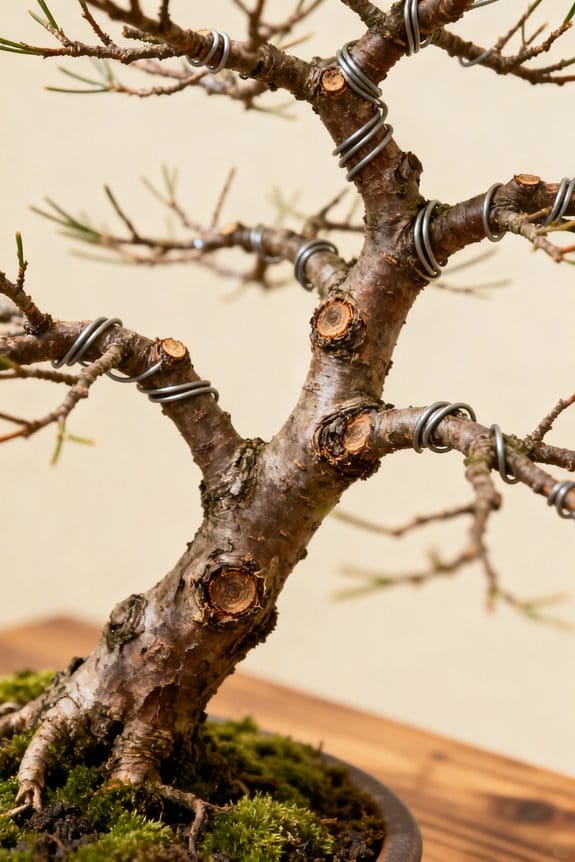
Pruning plays an important role in the maintenance of bonsai trees, markedly impacting their health and appearance. It is crucial for promoting ramification, as it encourages the growth of smaller branches while preventing larger ones from dominating. Regular maintenance pruning, ideally done two to four times yearly, targets the upper and outer parts of the tree. This stimulates inner growth and enhances density. Using appropriate tools, like twig shears, helps manage overgrown branches, contributing to a well-defined structure. Additionally, employing pinching techniques can suppress internode elongation, fostering fuller development. Understanding the seasonal timing for effective pruning can further enhance the growth patterns and health of bonsai trees. By understanding the significance of pruning, bonsai enthusiasts can guarantee their trees remain healthy and visually pleasing as they flourish over time.
Timing Your Pruning Efforts

In late spring, when a bonsai tree is full of energy and growth, timing becomes essential for effective pruning. The best time to prune for ramification and encourage bushiness is during this energetic phase. Regular maintenance pruning can be done two to four times annually, ensuring balanced foliage. However, structural pruning, which shapes the bonsai, is best performed in early spring or late autumn, minimizing stress on the tree. It’s also important to time cutting back new growth properly. Pinching should occur before the shoots harden, preventing excessive elongation. Finally, different species may have unique pruning schedules, so consulting specific guidelines is critical for achieving the best results and healthy bonsai trees. Consistent moisture is crucial, and avoiding overwatering helps prevent root rot while maintaining optimal conditions for growth.
Recommended Products
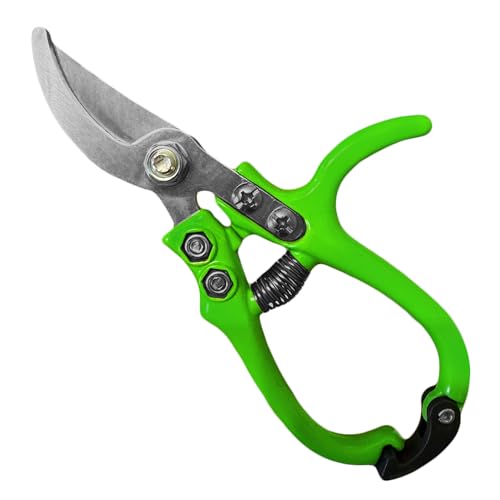
HIGH CARBON STEEL BLADE: Modern ergonomic design, with a high carbon steel blade for extra sharp cuts and extended durability. Perfect for trimming, deadheading, pruning, and snipping plants and bonsai!

These traditional bonsai scissors are designed for accurate trimming and deadheading that won't harm your plants - ideal for bonsai pruning, cutting branches and roots, and anything where quick snips and clean cuts are a must!

CONTENTS Comes with 30 Trunk Splitter Tools
Techniques for Effective Structural Pruning
When it comes to shaping a bonsai tree, effective structural pruning is a key technique. This pruning should ideally occur in early spring or late autumn, allowing for large branch removal without disrupting growth. Start by removing dead branches, then assess which branches best support the tree’s aesthetics and health. Utilize concave cutters on thicker branches to minimize scarring, helping the tree heal quickly. Applying cut paste can further protect the wounds. Aim to maintain two buds per bifurcation, enhancing structural integrity while optimizing light exposure. Additionally, regularly monitor the growth of stronger branches to prevent them from overpowering weaker ones, ensuring a harmonious silhouette in the overall design of the bonsai tree. Consider using ergonomic designs to reduce hand fatigue and improve efficiency during prolonged pruning sessions.
Recommended Products

Package Include: ・1 of Concave Cutter ・1 of Knob Cutter ・1 of Jin Pliers ・1 of Bonsai Wire Cutter ・1 of Root Cutter ・1 of Trunk Splitter ・1 of Bonsai Tool Roll Case - All Made in Japan Cutters: S55C Carbon steel, Black Coated

Package Include: ・1 of Concave Cutter ・1 of Knob Cutter ・1 of Jin Pliers ・1 of Bonsai Wire Cutter ・1 of Root Cutter ・1 of Bonsai Tool Roll Case - All Made in Japan Cutters: S55C Carbon steel, Black Coated

JAPANESE BONSAI TOOL SET WITH BAG: Made in Japan authentic professional bonsai tool set. These tools can be used for various kinds of bonsai work such as pruning, cutting, daily trimming, wire bending and cutting, jin making, moss and soil cleaning, and repotting work. ALL items are produced and finished by a blacksmith and craftsman in Nigata Tsubame Sanjo, a city of Japanese leading cutlery town.
The Role of Maintenance Pruning
Refining the shape of a bonsai tree involves regular maintenance pruning, an essential practice for promoting healthy growth and enhancing overall aesthetics. This pruning is important for fostering denser foliage and encouraging balanced development throughout the tree. Typically, maintenance pruning should occur two to four times annually, focusing on the outer edges of the canopy to prevent overcrowding. The ideal timing for outdoor bonsai is from early spring to late fall, while indoor bonsai may be pruned year-round. Using tools like twig shears, hobbyists can cut back branches and shoots that extend beyond desired shapes. By practicing maintenance pruning, individuals can manage their bonsai effectively and support a visually appealing structure. Illustrated guides are essential for understanding bonsai techniques, as they enhance comprehension and simplify maintenance schedules.
Distinguishing Between Pruning and Pinching
Understanding the differences between pruning and pinching can greatly impact the care of bonsai trees. Pruning involves cutting back branches to shape the tree and manage its overall structure. It typically uses tools like scissors and saws for precise cuts. In contrast, pinching is a tactile approach where soft, emerging growth is removed by hand. This technique interrupts growth hormones, encouraging ramification and allowing suppressed buds to thrive. Pinching is best performed during vigorous growth periods to enhance foliage density. Consequently, while pruning focuses on maintaining a bonsai’s shape, pinching promotes denser growth. Recognizing these distinctions is key for any bonsai enthusiast aiming to refine their tree and enhance its aesthetic appeal. A Bonsai Set 8 PCS Mini Gardening Tools Kit, with its ergonomic design and high-quality materials, can be an excellent addition to aid in the effective maintenance and care of bonsai trees.
Evaluating and Managing Branch Strength
Evaluating branch strength is essential in bonsai care, as it helps maintain the tree’s balance and aesthetic. Regular monitoring is necessary to identify dominant branches that have grown disproportionately. These branches can disrupt the overall structure of the bonsai. When pruning, cut back these stronger branches to a smaller bud or branch, which refines the tree’s appearance. It’s important to guarantee that the last bud left faces the desired growth direction for controlled shaping. Avoid pairing two buds facing each other during pruning, as this can lead to crossing. Additionally, maintain the proportion of branches with the tree. Focus on taper for structural integrity, while enhancing the visual appeal of your bonsai. For optimal bonsai care, consider using a Professional Liquid Bonsai Fertilizer to ensure your tree receives essential nutrients for healthy growth.
Recommended Products

Hand watering: mix 1 tsp. Foliage Pro per gallon of water and apply weekly or 2 tsp. And apply every 2 to 4 weeks

Dyna-Gro Bloom 3-12-6 is a low nitrogen, high phosphorus formula

REDUCE TRANSPLANT SHOCK: Reduce transplant shock, maintain your current cut flowers, and build your plants' vigor!
Key Strategies for Bifurcation in Pruning
Bifurcation in bonsai pruning plays a significant role in developing a balanced and visually appealing tree. To achieve this, it’s important to leave two branches at each bifurcation point. Pruning is best performed in early spring for deciduous trees, as this minimizes stress and encourages healthy growth. During this time, focus on pinching and pruning branches that extend beyond the desired outline to maintain the tree’s silhouette. Be mindful to leave active buds that direct growth and avoid dual buds facing each other. This practice prevents crossing branches and promotes better bifurcation. Additionally, regular assessment of branch strength is essential, especially for different species, as dominant branches may need to be retrained to smaller, healthier buds for optimum balance. Specialized bonsai care tools designed specifically for bonsai trimming enhance health and aesthetics, ensuring the tree’s structure is maintained effectively.
Recommended Products

EASY EFFICIENT CUTTING: Ideal for pruning and trimming flowers, stems, and light branches up to 5/8 in. thick. High Carbon Steel Blade with nonstick protective coating maximizes cutting effectiveness to cut cleanly every time without crushing plant material. Great gardening shears that you’ll be proud to own or gift!

HARDENED STAINLESS STEEL BLADES: Designed with straight sharp blades for precision snips and cuts, these gardening scissors are great for pruning fruit trees, bonsai, and thorny bushes. Pruning shears are durable, sharp, and come with an easy safety lock for storage.

Integrated LED indicator indicates the battery status
Ensuring Tree Health Post-Pruning
Pruning a bonsai tree is only the beginning of its care; ensuring the tree’s health afterward is equally important. After making large cuts, leaving enough healthy buds is critical for the tree to recover and thrive. A balance of foliage should be maintained, which supports necessary activities and overall vitality. It’s best to perform significant pruning during the tree’s full spring growth, as this encourages best healing. Additionally, monitoring the tree’s recovery resources, such as soil moisture and nutrients, is essential to maintaining tree health and facilitating balanced growth. Applying a tree wound sealer can help protect cuts from pests and diseases, promoting accelerated healing and minimizing scarring. Bonsai care requires aiming for an ideal mix of aesthetics and the tree’s vitality, ensuring the plant not only looks beautiful but stays healthy, too.
Practical Tips for Achieving Fine Ramification
Achieving fine ramification in bonsai trees requires a thoughtful approach to growth management. To promote fine branching, practitioners should regularly pinch new growth during the early stages. This tactic prevents internode elongation and stimulates suppressed interior buds. Additionally, maintenance pruning should occur two to four times a year, guaranteeing even growth and enhancing overall tree ramification. For structural adjustments, the ideal times are early spring or late autumn, focusing on removing larger, unbalanced branches. Pruning back overly dominant branches helps maintain balance and encourages finer, subordinate branches to flourish. Importantly, confirm healthy buds remain after pruning to support the energy of the tree and aid in the development of fine branching. Selecting the right beginner-friendly species can also play a crucial role in achieving optimal ramification, as these species are typically more resilient and easier to manage for new growers.
Recommended Products

Precision Plant Care for Professionals and Enthusiasts: These gardening shears are perfect for trimming herbs & flowers; Their compact, fine-tipped, rust-resistant high-carbon steel blades offer precise cutting in tight spaces, making them ideal for daily use in gardens, pots, and on delicate stems; Available in a convenient 12-pack - ideal for florists, landscapers, and nurseries who require multiple shears for continuous, high-volume trimming

CONTENTS Comes with 30 Shears

CONTENTS Comes with 30 Bonsai Trimming Shears
Frequently Asked Questions
How to Increase Ramification in Bonsai?
To increase ramification in bonsai, one must employ branch training, utilize seasonal pruning techniques, and guarantee proper fertilizer impact. These methods stimulate growth and enhance the tree’s overall branching structure and density effectively.
What Is the Rule of 3 in Bonsai?
The Rule of 3 in bonsai emphasizes branch selection, where each branch forking into three promotes complex growth patterns. This pruning technique enhances overall structure and facilitates denser foliage while maintaining balanced light distribution throughout the canopy.
How to Prune a Bonsai Tree Without Killing It?
To avoid transforming a bonsai into a stumpy disaster, enthusiasts should master bonsai pruning techniques, follow seasonal pruning guidelines, and sidestep common pruning mistakes, ensuring even miniature trees thrive rather than face tragic, leafy demise.
What Does Ramification Mean in Bonsai?
Ramification in bonsai refers to the techniques that promote branch division and dense foliage, enhancing bonsai growth. Through careful pruning and management, these practices create a visually intricate and balanced tree structure.


